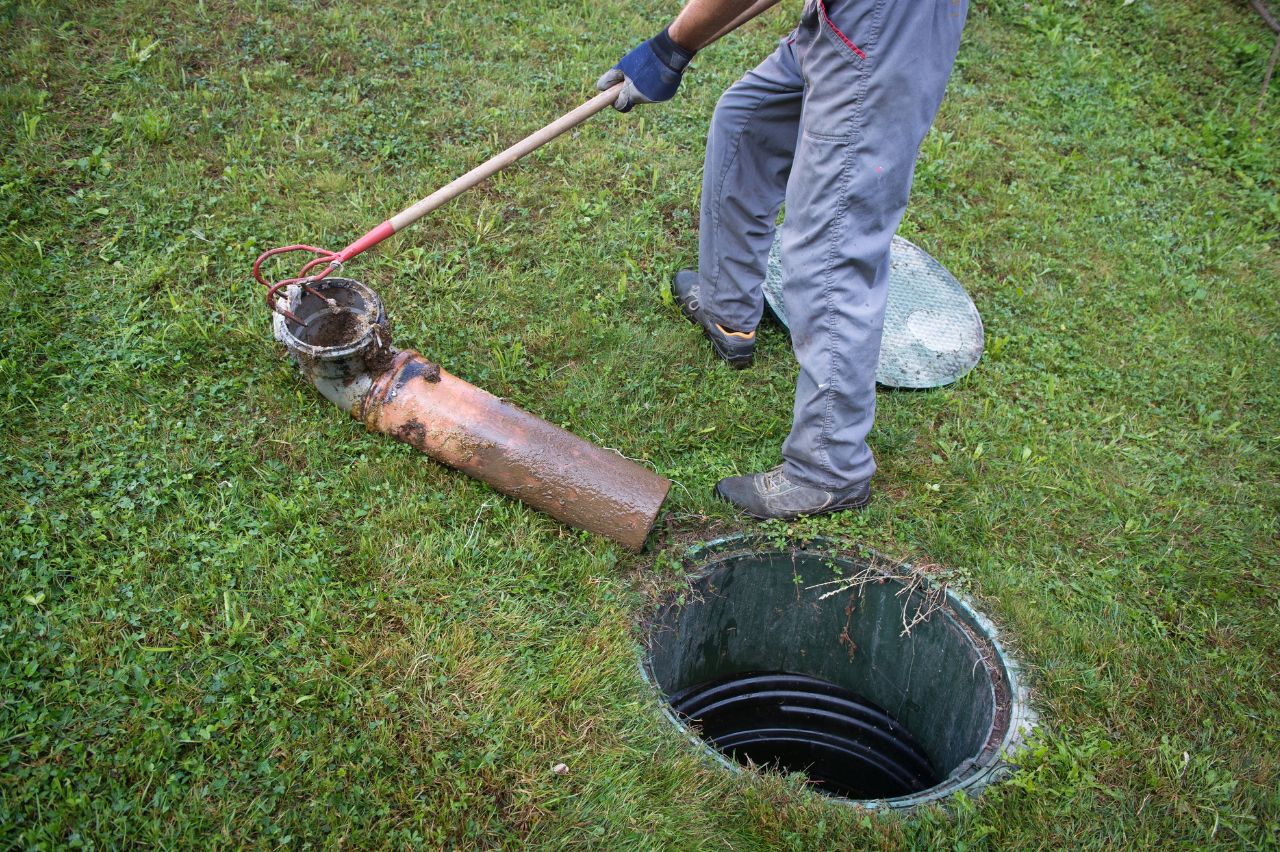
Banishing Septic Tank Smell: Using Air Purifiers to Freshen Your Home
The unmistakable odor of a septic tank can be a major source of discomfort in your home. While addressing the root cause of the issue is crucial, air purifiers can effectively tackle the unpleasant smell and create a more pleasant living environment. Here's a comprehensive guide on using air purifiers to combat septic tank odors, transforming your home from a smelly zone to a fresh and inviting space.
Understanding the Problem: Why Septic Tank Odors Linger
Septic tank odors arise from the breakdown of organic matter within the tank. As waste decomposes, it releases gases containing hydrogen sulfide, ammonia, and other volatile compounds, which create the characteristic rotten-egg-like stench. These gases can seep into your home through cracks in the foundation, plumbing vents, or even the sewer line.
Air Purifiers: Your Weapon Against Septic Tank Odors
Air purifiers are designed to capture and neutralize airborne pollutants, including odor-causing gases. By circulating the air within your home, they effectively reduce the concentration of these offensive smells.
Types of Air Purifiers for Septic Tank Odors
Not all air purifiers are created equal when it comes to tackling septic tank odors. Here's a breakdown of types and their effectiveness:
- Activated Carbon Filters: These filters excel at adsorbing volatile organic compounds (VOCs), including those responsible for septic tank odors. They work by trapping the gas molecules within the filter's porous material.
- HEPA Filters: While primarily used for capturing dust, pollen, and other allergens, HEPA filters can also trap larger odor molecules. Combine HEPA with an activated carbon filter for optimal odor removal.
- Ozone Generators: These devices generate ozone, a powerful oxidizer that breaks down odor molecules. However, they are not recommended for indoor use, as ozone can be harmful to human health.
- UV Light Air Purifiers: UV light sanitizes the air by breaking down odor molecules. They are generally less effective than activated carbon filters but can be a good option for smaller spaces.
Maximizing the Effectiveness of Air Purifiers
To ensure optimal odor reduction, consider these tips:
- Place the Air Purifier Strategically: Locate your purifier in the area where the odor is most noticeable, such as the basement or near the source of the smell.
- Run the Purifier Regularly: Keep the air purifier running consistently, especially when you're home, to continuously filter the air and eliminate odors.
- Clean and Replace Filters: Follow the manufacturer's instructions for cleaning and replacing filters. A dirty filter can become clogged and reduce the purifier's effectiveness.
- Address the Source: While air purifiers mask the smell, they don't solve the underlying issue. Consult with a qualified plumber or septic system inspector to address any problems with your septic system.
Alternatives to Air Purifiers
Air purifiers are a great way to tackle septic tank odors, but other methods can also help:
- Ventilation: Open windows and doors to allow fresh air to circulate through your home.
- Baking Soda: Place bowls of baking soda in areas where the odor is strong to absorb the smell.
- Essential Oils: Diffuse essential oils with a strong scent, such as lemon or lavender, to mask the odor.
Combining air purifiers with other strategies can provide the most comprehensive and effective solution to eliminate those unpleasant septic tank odors. Your home should be a haven of comfort and freshness, free from unwanted smells.


