My Septic System Stunk â€" Then I Fixed It! (And You Can Too!)
Okay, let's be honest. Nobody wants to deal with a smelly septic tank. That awful sewer gas smell creeping into your house? Not a good look, right? For weeks, my family and I were battling a truly horrific odor coming from our septic system. It was embarrassing having guests over, and frankly, it was making us all a little nauseous. I tried everything I could find online â€" some stuff worked, some stuff… well, let's just say I learned a thing or two the hard way. So, buckle up, because I'm about to share my septic tank odor-fighting saga, complete with triumphs and failures, so you can avoid my mistakes!
The Initial Assault: Identifying the Source
First things first: you need to figure out *where* that smell is coming from. Mine seemed to be strongest near the drain field (that area where the treated wastewater gets released into the ground). However, sometimes the smell can emanate from the tank itself, especially if you have a septic tank vent pipe that's clogged or damaged. You've probably got a good idea where the smell is worst, but a careful inspection can help confirm it.
My Investigation:
I started by sniffing around outside, carefully noting the intensity of the smell in different areas. It was strongest near the drain field, which pointed to a potential problem with the system's ability to properly disperse the treated wastewater. I also checked the septic tank lid to make sure it was securely sealed â€" a loose lid can let gases escape. I even went so far as to use a garden hose to gently flush the vent pipe (more on that later). It wasn't pretty, but it was necessary.
The Battle Plan: My Multi-Pronged Approach
Once I knew the general culprit (the drain field, in my case), I launched a full-scale offensive against the stench. My strategy involved a combination of immediate fixes and longer-term solutions. I'll break down what worked best and what was a waste of time.
Immediate Actions (Things to do Right Away):
- Baking Soda & Vinegar: This classic combo is a natural deodorizer. I poured several cups of baking soda down the drains (kitchen and bathroom) followed by a generous amount of vinegar. The fizzing action helps to break down organic matter and neutralize odors. It’s not a long-term solution, but it did provide some immediate relief.
- Enzyme Treatment: I bought a septic tank enzyme treatment from a local home improvement store. These products contain beneficial bacteria that help break down waste more efficiently. Following the instructions carefully is key. I noticed a significant improvement within a couple of days. This, I would say, was the single most effective thing I did.
- Air Circulation: Improving air circulation around the septic tank and drain field can help disperse odors. I opened windows near the affected areas (if safe to do so) and even used fans to create a gentle breeze. This isn't a miracle cure, but it certainly helped.
- Covering the Drainfield (if possible): A temporary layer of mulch can sometimes help mask the smell and prevent it from becoming airborne, especially in the summer heat.
Longer-Term Solutions (Prevention is Key):
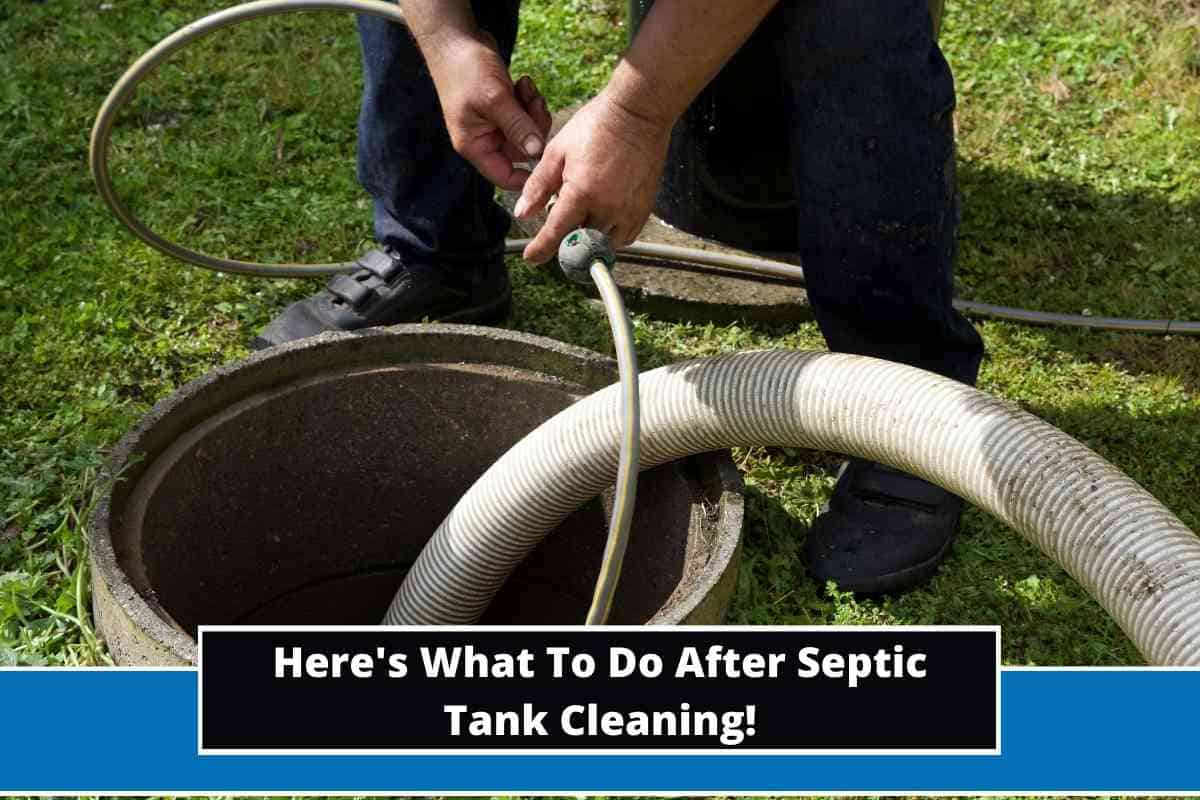
- Regular Pumping: This is crucial. A full septic tank is a smelly septic tank. I learned the hard way that getting it pumped every 2-3 years (or as your local regulations recommend) isn't just a good idea; it's essential for preventing odor problems. Scheduling a professional pumping is the best preventative measure.
- Avoid Flushing Non-Biodegradables: Things like wipes (even if labeled "flushable"), sanitary products, and excessive amounts of grease and oil put a strain on the septic system and can contribute to odors. Be mindful of what you flush!
- Proper Landscaping: Heavy plantings directly above the drain field can restrict airflow, leading to increased odor. Check the recommendations of your local septic system professional for best landscaping practices around the drain field.
- Vent Pipe Inspection: I mentioned checking the vent pipe earlier. It's easily overlooked, but a clogged or damaged vent pipe can trap gases and send that sewer smell straight into your home. A professional can check this and recommend repairs if necessary. You probably shouldn't try to fix this yourself unless you're quite handy!
What Didn't Work (Save Yourself the Trouble!):
I tried a few things that ended up being a complete waste of time and money. Don't make the same mistakes I did!
- Commercial Odor Eliminators (Spray-on): These barely made a dent in the problem, and the scent just masked the sewer smell with something equally artificial and unpleasant. Skip it. Your money is better spent on an enzyme treatment or a professional pumping.
- Pouring Bleach Down the Drains: While bleach is a disinfectant, it can actually harm the beneficial bacteria in your septic system and potentially make the problem worse in the long run. Avoid this at all costs!
The Aftermath: A Sweet Smell of Success (Finally!)
After a few days of implementing my multi-pronged approach, the smell started to subside dramatically. The enzyme treatment was a game-changer. Within a week, the offensive odor was completely gone. It felt like a huge victory! My guests no longer held their breath when entering my home, and even better â€" I finally got a good night's sleep without that awful stench lingering in the air. It’s been months now and I haven’t had a recurrence, mostly thanks to being more diligent about the longer-term solutions.
Commonly Asked Questions
I get a lot of questions from friends and family after sharing my experience, so I thought I'd address some common concerns here.
- Q: How often should I get my septic tank pumped? A: The frequency depends on factors like family size, water usage, and the size of your tank. Generally, every 2-3 years is a good rule of thumb, but it's best to consult with a septic system professional for personalized recommendations. They might even suggest more frequent inspections depending on your system’s history.
- Q: What's the best way to deal with a sudden, strong septic odor? A: Try the immediate actions I listed above (baking soda and vinegar, enzyme treatment, improving air circulation). If the smell persists or worsens, contact a septic system professional immediately. Don't delay; a strong, sudden odor could indicate a more serious problem.
- Q: Are enzyme treatments safe for my septic system? A: Yes, enzyme treatments are generally safe and effective. Always follow the manufacturer's instructions carefully, though, and ensure you are using a product specifically designed for septic tanks.
- Q: My septic tank smells like rotten eggs. What does that mean? A: A rotten egg smell is often caused by hydrogen sulfide gas, which indicates that there may be a lack of oxygen in your tank and a significant amount of bacterial decomposition is occurring. This usually means you need to get your tank pumped as soon as possible.
- Q: How much does septic tank pumping cost? A: The cost varies depending on your location, tank size, and the company you hire. It’s best to get a few quotes from local septic service providers.
Dealing with septic tank odors can be a real headache, but with a little knowledge and the right approach, you can get rid of that smell and keep it away for good. Remember, prevention is key, and don't hesitate to call a professional if you're unsure about anything. Good luck!


