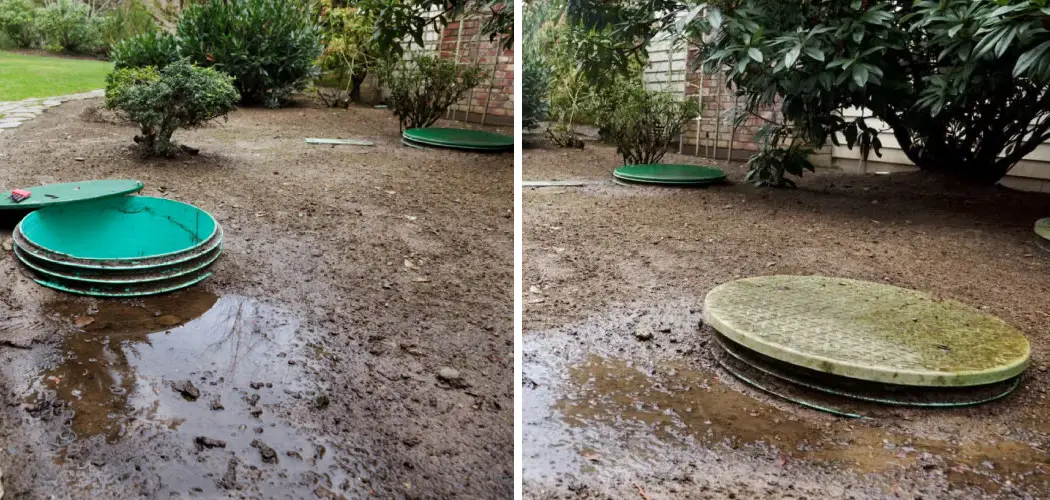
How to Keep Your Septic Tank Odor-Free Even After Heavy Rain
So, you've got a septic system, and you know the drill: heavy rain, potential for unpleasant smells. It's a common problem, and one that can be a bit embarrassing, especially if you're hosting guests or having a gathering. But don't worry, you don't have to live with that funky scent! There are ways to keep your septic system smelling fresh and functioning smoothly, even after a downpour.
Let's dive into the reasons behind the post-rain stench and then explore some practical solutions.
Why Does My Septic Tank Smell After Heavy Rain?
It's all about the water level and the bacteria. Your septic tank is designed to work in a specific way, with a balance of solids and liquids. Here's what happens when the rain comes pouring down:
- More water enters the system: When heavy rain hits your yard, it runs off into your septic system through your drainfield. This extra water dilutes the bacteria in the tank, which are responsible for breaking down waste.
- The bacteria struggle: The diluted bacteria might not be strong enough to handle the increased workload. This can lead to partially broken down waste, which can release those unpleasant odors.
- The tank fills up quickly: With a sudden influx of water, your septic tank might fill up faster than usual, leaving less room for the solids to settle.
- Backflow possibilities: If the drainfield is overwhelmed, water can back up into the tank, potentially causing the solids to rise and creating a smelly situation.
Tips to Keep Your Septic System Odor-Free After Heavy Rain
Here are some tips to help you stay on top of your septic system and keep those funky odors at bay, especially after heavy rain:
Regular Maintenance is Key
Just like any other system in your home, your septic tank needs regular maintenance. This is the most important step to prevent odor issues and ensure your system functions correctly. Here's what you should do:
- Pumping: Get your septic tank pumped every 3-5 years, or as recommended by a professional. Don't wait for it to overflow!
- Inspection: Have a septic inspection done at least once a year. This helps you identify potential issues before they become big problems.
- Drainfield inspection: Make sure the drainfield is clear of debris and functioning properly. If you have any problems, contact a professional.
Be Mindful of What Goes Down the Drain
Your septic system is designed to handle human waste and toilet paper. But that's it! Avoid putting any of the following down your drains, as they can disrupt the delicate balance of your system and cause those nasty smells:
- Fats, oils, and grease: These substances solidify in the pipes and septic tank, creating blockages and odor issues.
- Chemicals and cleaners: Harsh chemicals can kill off the beneficial bacteria in your septic system, making it less effective. Opt for eco-friendly cleaning products whenever possible.
- Cigarette butts and food scraps: These items can contribute to clogging and odor problems.
- Disposable wipes: Even those labeled "flushable" can create clogs and disrupt your system. Use compostable wipes or regular toilet paper instead.
- Excessive paper products: Don't flush large quantities of paper towels or tissues. These can overload your system.
Take Action After a Heavy Rain
When the rain has stopped and the water level has subsided, there are a few things you can do to help your septic system recover and prevent odors:
- Avoid using the washing machine: This will minimize the amount of water entering the system while it's recovering.
- Flush the toilet sparingly: Use the "half flush" option if available, or try to limit toilet use for a few hours.
- Monitor the water level: If you notice the water level in your septic tank is high, consider having it pumped out to prevent any potential overflows.
- Add bacteria: Consider adding a septic tank treatment product containing beneficial bacteria to your system. These bacteria can help break down waste more effectively and prevent odors.
- Call a professional: If you're unsure about anything or if you experience persistent odor issues, don't hesitate to call a professional septic tank technician. They can diagnose any problems and offer solutions.
Preventing Odors in Your Home
Even if your septic system is working flawlessly, you might still notice a faint odor in your house, especially after a rain event. Here are some tips to keep your home smelling fresh:
- Ventilate: Make sure your bathroom and kitchen are well-ventilated. Open windows or use exhaust fans to draw out any lingering odors.
- Deodorize: Place an air freshener or a bowl of baking soda near your toilets or drains to help absorb any unpleasant odors.
- Clean regularly: Clean your bathroom and kitchen surfaces regularly to prevent any mold or mildew growth, which can contribute to odors.
Commonly Asked Questions
Here are some frequently asked questions about septic systems and odors:
How Do I Know If My Septic Tank is Full?
If you see any of these signs, your septic tank might be nearing capacity:
- Slow draining sinks or toilets.
- Gurgling noises in the pipes.
- A wet or soggy area around your septic tank.
- A strong, unpleasant odor.
What Can I Do If I Have a Septic Tank Odor Problem?
If you're experiencing a septic tank odor problem, here are some steps you can take:
- Identify the source: Try to pinpoint the location of the odor. Is it coming from your bathroom, kitchen, or outside near the septic tank?
- Check your drainfield: Make sure the drainfield isn't clogged or damaged. If you notice any issues, call a professional.
- Use a septic tank treatment product: These products can help break down waste and reduce odors.
- Contact a professional: If you can't resolve the odor on your own, call a septic tank professional for an inspection and repair.
Remember, proper septic system maintenance is key to keeping your home smelling fresh and your system working smoothly. By taking these steps, you can reduce your chances of experiencing those unpleasant post-rain odors and enjoy a cleaner, odor-free home.


