A lingering, unpleasant odor in your home can be a source of discomfort and embarrassment. If the culprit is a malfunctioning septic system, the issue requires prompt attention. While professional intervention may be necessary in some cases, there are several simple and effective methods you can implement to mitigate the septic tank smell, offering temporary relief and potentially preventing further deterioration.
Understanding the Source: The Septic System and Its Odors
Septic systems are designed to treat wastewater from your home, separating solids from liquids. The liquid effluent is discharged into a drainage field, while the solids decompose in the tank. When this process is disrupted, it can lead to a release of unpleasant odors, often described as a sewage-like smell. This can occur due to various factors, including:
Overloading the system: Exceeding the tank's capacity can lead to backup and overflow, resulting in odor emission.
Clogged drain field: Blocked drainage lines prevent proper effluent dispersal, causing stagnation and odor.
Failed septic tank components: Damage to the tank itself or its components, such as the lid, can create pathways for odor to escape.
Poor ventilation: Inadequate ventilation in the tank or the house can trap odor, intensifying its presence.
Excessive grease and oil: Fat and grease buildup can clog the pipes, impeding wastewater flow and contributing to odor.
Addressing the Septic Tank Smell: Practical Solutions
While addressing the underlying issue is crucial, you can employ these simple fixes to mitigate the septic tank smell in your home:
1. Ventilation is Key: Improving Air Circulation
Ensure adequate tank ventilation: A properly functioning vent pipe extends from the septic tank to the roof, allowing for air circulation and pressure equalization. Check for blockages in the vent pipe, ensure its smooth operation, and consider installing a vent cap to prevent debris and insects from entering.
Improve home ventilation: Enhance airflow in your home by opening windows, using fans, and ensuring proper exhaust ventilation for appliances such as the kitchen range hood and bathroom fans.
Eliminate stagnant air: Regularly air out your home, especially after using the bathroom or kitchen, to minimize odor buildup.
2. Drain Maintenance: Keeping Pipes Clean and Functional
Regular septic tank pumping: Schedule routine pumping of your septic tank every 3-5 years, or more frequently depending on usage and tank size. This removes accumulated sludge and solids, preventing clogging and overflow.
Avoid flushing inappropriate items: Refrain from flushing items such as wipes, paper towels, feminine hygiene products, and coffee grounds down the toilet. These materials can clog the pipes and contribute to odor.
Limit grease and oil disposal: Minimize pouring grease and oil down the drain, as they can accumulate in the pipes, causing blockage and odor. Instead, dispose of them responsibly in containers or through designated disposal channels.
3. Chemical Treatments: Temporary Relief and Odor Control
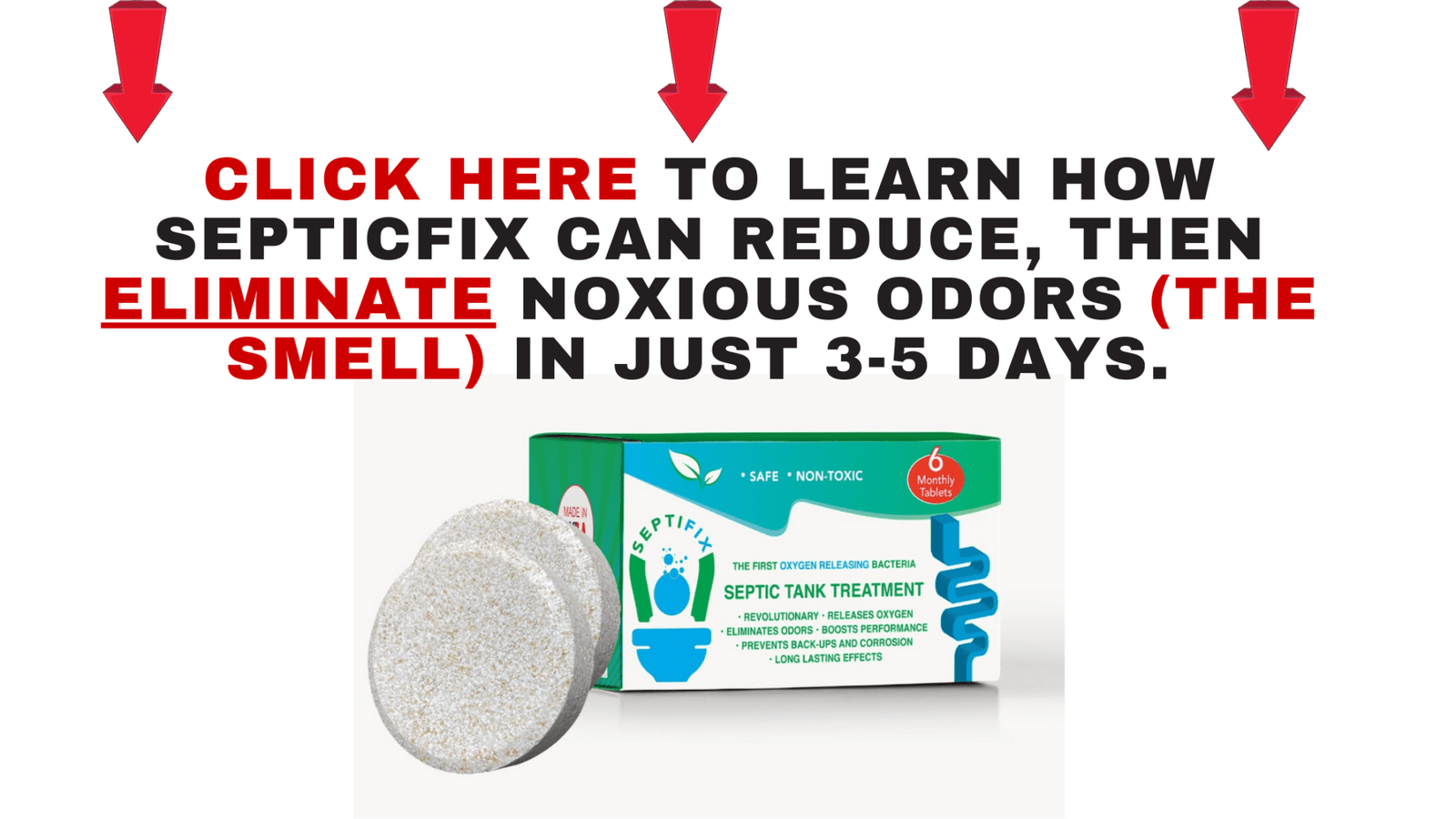
Septic tank additives: Available at hardware stores, these additives help break down waste, reduce odor, and improve the efficiency of the septic system. While they offer temporary relief, they are not a long-term solution and may not address the underlying issue.
Baking soda and vinegar: Pouring a mixture of baking soda and vinegar down the drain can neutralize odors and help clean the pipes. This approach is less effective than professional cleaning and should be used sparingly.
Commercial deodorizers: Various deodorizers specifically designed for septic systems are available, offering odor control and masking agents. However, these products are often temporary solutions and may not address the root cause of the problem.
4. Natural Solutions: Environmentally Friendly Options
Activated charcoal: Placing a container of activated charcoal near the source of the odor can absorb unpleasant smells, offering a natural and safe solution.
Potpourri and essential oils: Aromatic potpourri and essential oils with strong scents like citrus, lavender, or peppermint can help mask the septic odor.
Air-purifying plants: Certain plants, such as spider plants, snake plants, and peace lilies, are known for their air-purifying properties and can help reduce odor by absorbing volatile organic compounds (VOCs) from the air.
5. Seek Professional Assistance: When Simple Fixes Fall Short
Septic tank inspection: If the odor persists despite implementing these simple fixes, a professional inspection of your septic system is crucial. A qualified technician can diagnose the problem and recommend appropriate solutions.
Drain field maintenance: If the drain field is clogged, a specialist may need to excavate and repair or replace it, ensuring proper effluent dispersal.
Septic tank repair or replacement: If the tank is damaged or malfunctioning, it may require repair or replacement to restore proper function and eliminate odors.
Preventative Measures: Proactive Steps for a Fresh Home
Preventing septic tank odor involves a combination of proactive measures:
Regular maintenance: Maintain your septic system regularly, including routine pumping and inspection, to prevent blockages and ensure its optimal performance.
Water conservation: Reduce water usage to minimize the load on your septic system. This can include using water-saving appliances, fixing leaky faucets, and taking shorter showers.
Educate household members: Ensure everyone in the household understands the importance of responsible septic system usage, particularly regarding appropriate items to flush down the toilet and avoid pouring grease and oil down the drain.
Final Thoughts: Odor Elimination and Septic System Health
Addressing septic tank odor requires a comprehensive approach. While simple fixes can provide temporary relief, identifying and addressing the root cause is crucial for a long-term solution. By implementing these practical solutions, you can mitigate the smell and maintain a fresh and comfortable environment in your home. Remember, a properly functioning septic system is essential for your home's health and the environment's well-being.


