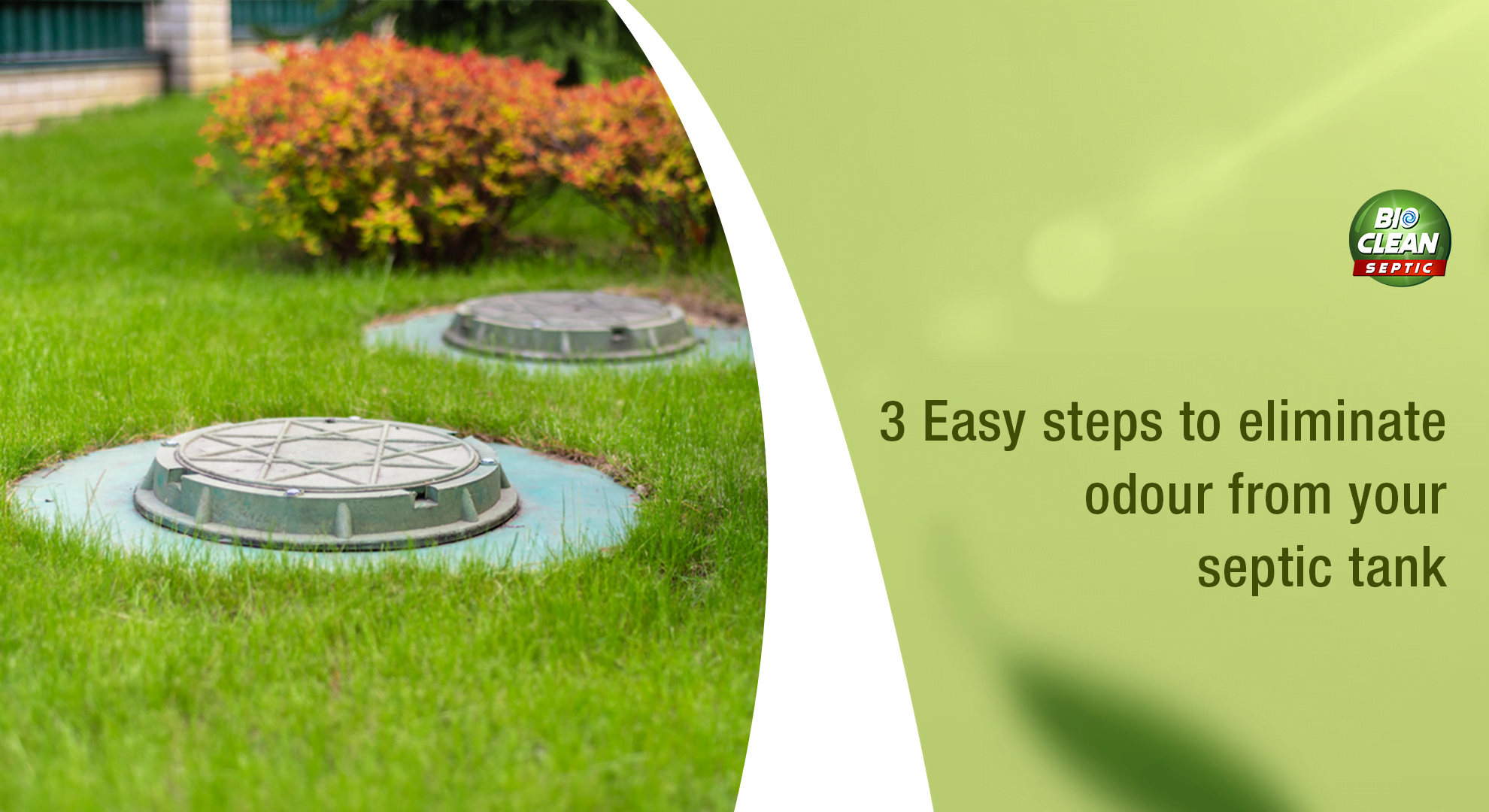
How to Eliminate Septic Tank Smells Inside Your Home: A Guide to Fresh Air
Ugh, that smell! It creeps in, hangs in the air, and makes your house feel less like a home and more like…well, a septic tank. We've all been there, and let's be honest, it's not exactly a pleasant experience. Don't worry, you're not alone. Septic tank smells are a common problem, and luckily, there are things you can do to get rid of them.
The first step is to understand what's causing the smell. Septic tanks are designed to break down waste, but sometimes, the process goes awry, resulting in unpleasant odors. The good news is that most of the time, it's not a major issue, and with a little effort, you can banish the smell and get back to enjoying your home.
Identifying the Source of the Septic Tank Smell
Before you start tackling the smell, it's important to figure out where it's coming from. Is it coming from the bathroom, the kitchen, or a specific room? This will help you narrow down the potential causes and make your troubleshooting efforts more effective.
Common Causes of Septic Tank Smells
- Dry Septic Tank: This is one of the most common reasons for septic tank smells. When the tank doesn't have enough water, the solids can dry out and release foul odors. Think of it like leaving dirty dishes in the sink for too long â€" they start to smell!
- Overloaded Septic Tank: A septic tank that's full to the brim can't break down waste effectively, leading to backups and smelly consequences. It's like trying to cram too much into a suitcase â€" it just won't work!
- Faulty Drain Field: The drain field is the part of your septic system that filters the water that's been treated by the tank. If it's damaged or clogged, it can't do its job properly, and the untreated water can seep back up into your home.
- Broken or Leaky Pipes: Cracks or leaks in your plumbing can allow sewer gases to escape and find their way into your home. Think of it as a tiny escape hatch for the smell.
- Poor Ventilation: A lack of proper ventilation in your home can trap odors, including septic tank smells. Imagine a stuffy room â€" it's hard to breathe, and the smell just lingers.
How to Eliminate Septic Tank Smells: Solutions for a Fresher Home
Once you've identified the source of the smell, you can start tackling it. Here are some common solutions:
1. Add Water to Your Septic Tank
If your septic tank is too dry, adding water can help rehydrate the solids and reduce the smell. You can do this by simply running water down the drain for a few minutes each day. Think of it like giving your septic tank a drink of water!
2. Avoid Overloading Your Septic Tank
Be mindful of what you flush down the toilet and pour down the drain. Avoid using harsh chemicals, excessive amounts of paper products, and anything that could clog or overload your septic system. Think of your septic tank as a delicate ecosystem that needs to be treated with care.
3. Pump Your Septic Tank Regularly
If you haven't had your septic tank pumped in a while, it's time to call a professional. A regular pumping schedule helps prevent overloading and keeps your system running smoothly. Think of it like taking your car in for a tune-up â€" it keeps everything running smoothly and prevents bigger problems down the road.
4. Inspect Your Drain Field
If you suspect your drain field is damaged or clogged, call a professional plumber. They can inspect the drain field and recommend repairs or replacements. Think of it like getting your septic system's "health check."
5. Repair Leaky Pipes
If you have leaky pipes, get them repaired as soon as possible. This will prevent sewer gases from escaping and entering your home. Think of it like patching a hole in a tire â€" it prevents air from leaking out and keeps your car running smoothly.
6. Improve Ventilation
Ensure your home has proper ventilation, especially in areas where septic tank smells might be more prominent, such as bathrooms and kitchens. Consider installing exhaust fans or opening windows to improve air circulation. Think of it like opening a window to let in fresh air and clear out any stale smells.
7. Natural Deodorizers
You can try using natural deodorizers like baking soda or vinegar to help neutralize unpleasant odors. Sprinkle baking soda down drains and let it sit for a few minutes before flushing it away. For a stronger odor, try boiling a pot of water with vinegar on the stove. Think of it as giving your home a natural air freshener!
8. Enzyme Treatments
Enzyme treatments are available at most hardware stores and can help break down waste in your septic tank, reducing odors. Follow the manufacturer's instructions carefully. Think of enzyme treatments like probiotics for your septic tank â€" they help the good bacteria thrive!
Prevention is Key
Once you've dealt with the immediate smell, it's important to take steps to prevent it from coming back. Here are a few things you can do:
1. Use Your Garbage Disposal Sparingly
Your garbage disposal can add a lot of grease and food waste to your septic system. Try to use it sparingly and dispose of food scraps in the trash instead. Think of it as giving your septic system a break!
2. Avoid Flushing Unnecessary Items
Only flush toilet paper and human waste down the toilet. Avoid flushing things like wipes, feminine hygiene products, or anything else that could clog your system. Think of your toilet like a very specific garbage disposal â€" only certain things belong there.
3. Maintain Your Septic System
Regularly inspect your septic system for any signs of problems. Call a professional if you notice anything unusual. Think of it as giving your septic system a regular checkup â€" it's better to catch problems early than to wait until they become major issues.
Commonly Asked Questions
Here are some common questions people have about septic tank smells:
1. Why does my septic tank smell like sulfur?
A sulfur smell is often a sign of a problem with your septic tank or drain field. This can be caused by a buildup of hydrogen sulfide, which is a gas produced when bacteria break down waste. If you notice this smell, it's important to call a professional to diagnose the issue.
2. How often should I pump my septic tank?
The frequency of septic tank pumping depends on a number of factors, such as the size of your tank, the number of people living in your home, and your water usage. It's generally recommended to have your tank pumped every 3-5 years. However, it's best to consult with a professional to determine the optimal pumping schedule for your specific system.
3. What if I have a septic tank smell that doesn't go away?
If you've tried all the above solutions and you're still dealing with a septic tank smell, it's time to call a professional. There may be a deeper issue with your system that requires expert attention.
Dealing with septic tank smells can be frustrating, but it doesn't have to be a constant battle. By understanding the causes, implementing the right solutions, and practicing preventive measures, you can create a fresher and more enjoyable home environment. Remember, a happy septic system means a happy home!


