Archive for 2024
How I Took Care of Septic Tank Odors in Just a Few Days
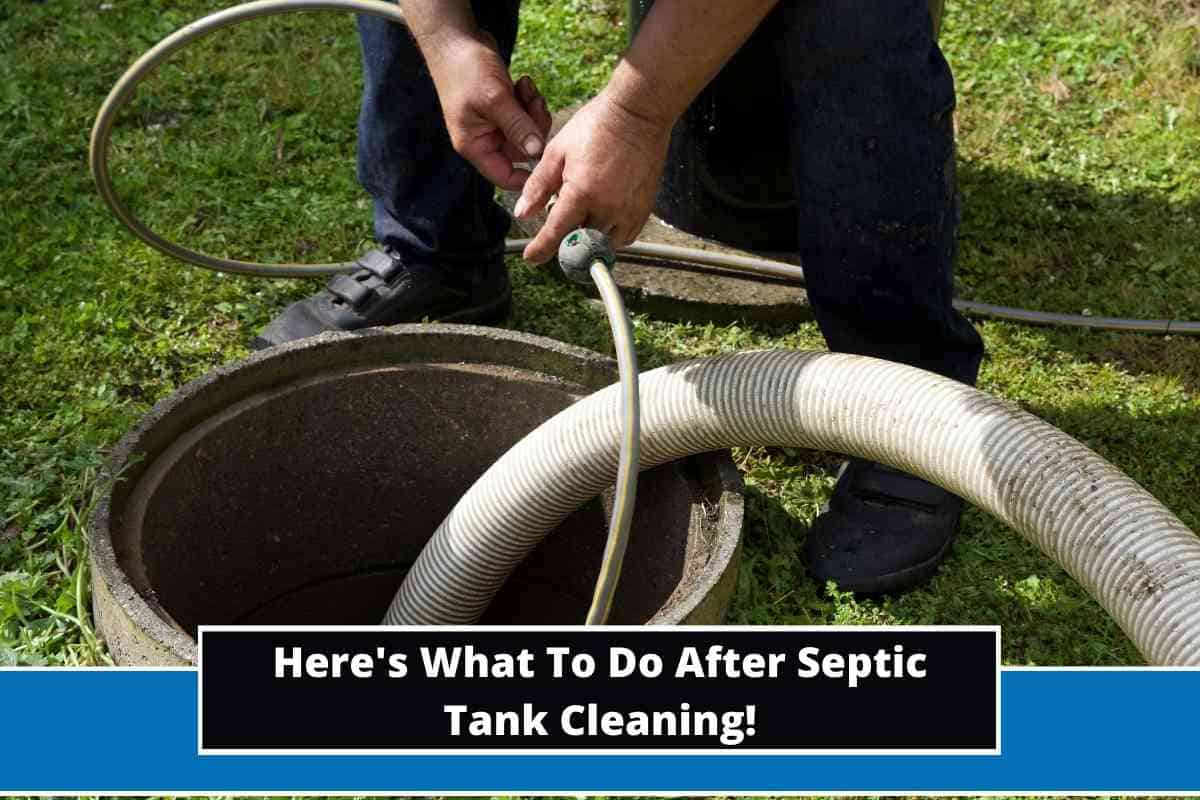
My Septic System Stunk â€" Then I Fixed It! (And You Can Too!)
Okay, let's be honest. Nobody wants to deal with a smelly septic tank. That awful sewer gas smell creeping into your house? Not a good look, right? For weeks, my family and I were battling a truly horrific odor coming from our septic system. It was embarrassing having guests over, and frankly, it was making us all a little nauseous. I tried everything I could find online â€" some stuff worked, some stuff… well, let's just say I learned a thing or two the hard way. So, buckle up, because I'm about to share my septic tank odor-fighting saga, complete with triumphs and failures, so you can avoid my mistakes!
The Initial Assault: Identifying the Source
First things first: you need to figure out *where* that smell is coming from. Mine seemed to be strongest near the drain field (that area where the treated wastewater gets released into the ground). However, sometimes the smell can emanate from the tank itself, especially if you have a septic tank vent pipe that's clogged or damaged. You've probably got a good idea where the smell is worst, but a careful inspection can help confirm it.
My Investigation:
I started by sniffing around outside, carefully noting the intensity of the smell in different areas. It was strongest near the drain field, which pointed to a potential problem with the system's ability to properly disperse the treated wastewater. I also checked the septic tank lid to make sure it was securely sealed â€" a loose lid can let gases escape. I even went so far as to use a garden hose to gently flush the vent pipe (more on that later). It wasn't pretty, but it was necessary.
The Battle Plan: My Multi-Pronged Approach
Once I knew the general culprit (the drain field, in my case), I launched a full-scale offensive against the stench. My strategy involved a combination of immediate fixes and longer-term solutions. I'll break down what worked best and what was a waste of time.
Immediate Actions (Things to do Right Away):
- Baking Soda & Vinegar: This classic combo is a natural deodorizer. I poured several cups of baking soda down the drains (kitchen and bathroom) followed by a generous amount of vinegar. The fizzing action helps to break down organic matter and neutralize odors. It’s not a long-term solution, but it did provide some immediate relief.
- Enzyme Treatment: I bought a septic tank enzyme treatment from a local home improvement store. These products contain beneficial bacteria that help break down waste more efficiently. Following the instructions carefully is key. I noticed a significant improvement within a couple of days. This, I would say, was the single most effective thing I did.
- Air Circulation: Improving air circulation around the septic tank and drain field can help disperse odors. I opened windows near the affected areas (if safe to do so) and even used fans to create a gentle breeze. This isn't a miracle cure, but it certainly helped.
- Covering the Drainfield (if possible): A temporary layer of mulch can sometimes help mask the smell and prevent it from becoming airborne, especially in the summer heat.
Longer-Term Solutions (Prevention is Key):
- Regular Pumping: This is crucial. A full septic tank is a smelly septic tank. I learned the hard way that getting it pumped every 2-3 years (or as your local regulations recommend) isn't just a good idea; it's essential for preventing odor problems. Scheduling a professional pumping is the best preventative measure.
- Avoid Flushing Non-Biodegradables: Things like wipes (even if labeled "flushable"), sanitary products, and excessive amounts of grease and oil put a strain on the septic system and can contribute to odors. Be mindful of what you flush!
- Proper Landscaping: Heavy plantings directly above the drain field can restrict airflow, leading to increased odor. Check the recommendations of your local septic system professional for best landscaping practices around the drain field.
- Vent Pipe Inspection: I mentioned checking the vent pipe earlier. It's easily overlooked, but a clogged or damaged vent pipe can trap gases and send that sewer smell straight into your home. A professional can check this and recommend repairs if necessary. You probably shouldn't try to fix this yourself unless you're quite handy!
What Didn't Work (Save Yourself the Trouble!):
I tried a few things that ended up being a complete waste of time and money. Don't make the same mistakes I did!
- Commercial Odor Eliminators (Spray-on): These barely made a dent in the problem, and the scent just masked the sewer smell with something equally artificial and unpleasant. Skip it. Your money is better spent on an enzyme treatment or a professional pumping.
- Pouring Bleach Down the Drains: While bleach is a disinfectant, it can actually harm the beneficial bacteria in your septic system and potentially make the problem worse in the long run. Avoid this at all costs!
The Aftermath: A Sweet Smell of Success (Finally!)
After a few days of implementing my multi-pronged approach, the smell started to subside dramatically. The enzyme treatment was a game-changer. Within a week, the offensive odor was completely gone. It felt like a huge victory! My guests no longer held their breath when entering my home, and even better â€" I finally got a good night's sleep without that awful stench lingering in the air. It’s been months now and I haven’t had a recurrence, mostly thanks to being more diligent about the longer-term solutions.
Commonly Asked Questions
I get a lot of questions from friends and family after sharing my experience, so I thought I'd address some common concerns here.
- Q: How often should I get my septic tank pumped? A: The frequency depends on factors like family size, water usage, and the size of your tank. Generally, every 2-3 years is a good rule of thumb, but it's best to consult with a septic system professional for personalized recommendations. They might even suggest more frequent inspections depending on your system’s history.
- Q: What's the best way to deal with a sudden, strong septic odor? A: Try the immediate actions I listed above (baking soda and vinegar, enzyme treatment, improving air circulation). If the smell persists or worsens, contact a septic system professional immediately. Don't delay; a strong, sudden odor could indicate a more serious problem.
- Q: Are enzyme treatments safe for my septic system? A: Yes, enzyme treatments are generally safe and effective. Always follow the manufacturer's instructions carefully, though, and ensure you are using a product specifically designed for septic tanks.
- Q: My septic tank smells like rotten eggs. What does that mean? A: A rotten egg smell is often caused by hydrogen sulfide gas, which indicates that there may be a lack of oxygen in your tank and a significant amount of bacterial decomposition is occurring. This usually means you need to get your tank pumped as soon as possible.
- Q: How much does septic tank pumping cost? A: The cost varies depending on your location, tank size, and the company you hire. It’s best to get a few quotes from local septic service providers.
Dealing with septic tank odors can be a real headache, but with a little knowledge and the right approach, you can get rid of that smell and keep it away for good. Remember, prevention is key, and don't hesitate to call a professional if you're unsure about anything. Good luck!
Why Does Your Septic Tank Smell and How to Fix It
Why Does Your Septic Tank Smell and How to Fix It?
That pungent, unmistakable odor wafting from your yard? It's likely your septic tank signaling a problem. A properly functioning septic system should be virtually odorless. A foul smell indicates a breakdown in the delicate biological process that breaks down waste, and ignoring it can lead to costly repairs and even serious health risks. Let's dive into the common culprits behind septic tank odors and explore effective solutions to banish that unwelcome stench.
Unmasking the Sources of Septic Tank Odors
Several factors contribute to a smelly septic system. Understanding the root cause is crucial for effective remediation. The smell usually originates from gases produced during the decomposition of waste in the tank. These gases, including hydrogen sulfide (responsible for that rotten egg smell), methane, and ammonia, escape if the system isn't properly sealed or maintained.
A Failing Septic Lid or Baffle
Cracks or gaps in the septic tank lid or baffle allow gases to escape directly into the surrounding soil and ultimately into the air. This is a common culprit, often exacerbated by shifting ground or age-related deterioration. Regular inspections of your tank lid and baffle are vital.
A Clogged Drain Field
Your drain field (also known as a leach field) is the underground system that disperses treated wastewater. If it becomes clogged with solids, the wastewater can back up into the tank, causing it to overflow and release foul-smelling gases. This clog can be caused by a buildup of solids due to insufficient tank capacity or the introduction of inappropriate materials (like grease or excessive toilet paper).
Improper Septic Tank Maintenance
Lack of regular pumping is a leading cause of septic tank odors. Over time, sludge and scum build up in the tank, disrupting the bacterial process and creating a breeding ground for odor-causing gases. A full tank simply cannot process waste efficiently, leading to backups and foul smells.
High Water Table
A high water table can saturate the drain field, preventing proper drainage and leading to wastewater backing up into the tank, resulting in unpleasant odors. This is often a geographical issue, requiring specific remediation strategies.
Effective Strategies to Eliminate Septic Tank Odors
Addressing septic tank odors requires a multi-pronged approach focusing on both immediate solutions and long-term preventative measures.
Immediate Actions to Take
Long-Term Solutions for Odor Prevention
Addressing a septic tank odor promptly is vital for maintaining a healthy and pleasant living environment. By understanding the potential causes and implementing the appropriate solutions, you can effectively eliminate the smell and ensure the longevity of your septic system.
Why Does My Septic Tank Smell Worse After Cleaning?
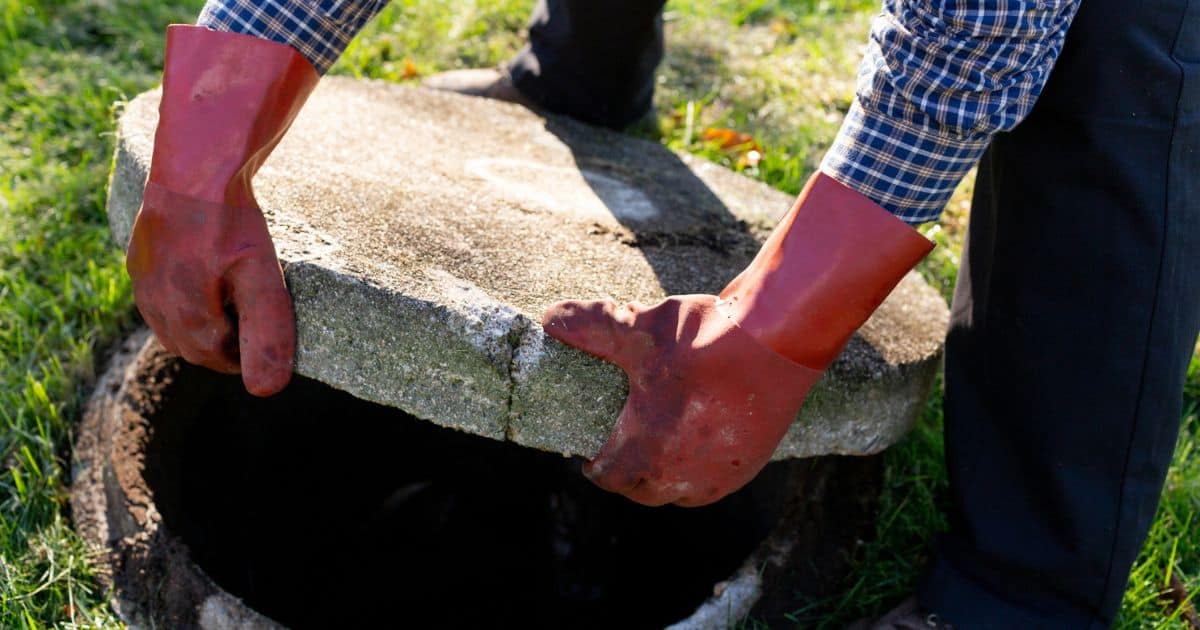
Why Does My Septic Tank Smell Worse After Cleaning?
The unpleasant odor emanating from a septic system is a common homeowner concern. While regular septic tank cleaning is crucial for maintaining its functionality and preventing costly repairs, it's not uncommon for the smell to intensify temporarily after a pumping service. This seemingly paradoxical situation arises from a complex interplay of biological and chemical processes within the septic system. Understanding these processes is key to mitigating the unpleasant odors and ensuring the long-term health of the system.
The Role of Anaerobic Digestion
Septic tanks rely on a natural process called anaerobic digestion. This process occurs in the absence of oxygen and involves bacteria breaking down organic wasteâ€"human waste, food scraps, and other organic matterâ€"into simpler substances like methane, carbon dioxide, and hydrogen sulfide. These byproducts are largely responsible for the characteristic septic odor.
Disruption of the Microbial Balance
The bacterial community within a septic tank is a delicate ecosystem. During the cleaning process, a significant portion of this bacterial biomass is removed along with the accumulated sludge and scum. This disruption of the established microbial balance can lead to a temporary imbalance in the breakdown of organic waste. While the remaining bacteria will eventually re-establish a functional community, a period of adjustment is inevitable, potentially resulting in a heightened odor.
Release of Trapped Gases
The process of pumping out the septic tank inevitably disturbs the sediment layers and releases gases that were previously trapped within the sludge and scum. These gases, particularly hydrogen sulfide (H2S), are highly odorous and contribute significantly to the unpleasant smell. Hydrogen sulfide has a characteristic rotten-egg smell, and even small concentrations can be easily detected.
Incomplete Waste Breakdown
In some cases, the intensified odor after cleaning might indicate incomplete waste breakdown before pumping. If the septic tank was already overloaded or poorly maintained prior to cleaning, the pumping process might expose partially decomposed waste, leading to a more pungent odor as these materials continue to break down. This highlights the importance of regular septic tank inspections and maintenance to prevent such scenarios.
Factors Contributing to Post-Cleaning Odors
Several factors beyond the inherent disruption of the bacterial ecosystem can exacerbate the post-cleaning odor. These factors can significantly influence the intensity and duration of the unpleasant smell.
Improper Cleaning Techniques
The method used during septic tank cleaning plays a crucial role in the subsequent odor level. If the cleaning process is not thorough, leaving behind residual sludge or scum, these remnants can continue to decompose, producing unpleasant odors. Similarly, if the tank isn't properly rinsed after pumping, remaining organic material can contribute to the problem. The expertise and experience of the septic service provider are key in minimizing the post-cleaning odor.
System Design and Condition
The design and condition of the septic system itself can influence how it responds to cleaning. Older systems, or those with structural damage or insufficient capacity, may be more prone to odor issues after cleaning due to compromised anaerobic digestion. Cracks or leaks in the tank or pipes can allow gases to escape more readily, intensifying the smell. Regular inspections and timely repairs are vital to prevent such issues.
Environmental Factors
External factors can also impact odor perception. Weather conditions, such as temperature and humidity, can influence the rate of gas diffusion and affect the dispersion of odors. High humidity can trap odors near the ground, while temperature fluctuations can affect microbial activity and gas production. The surrounding soil type and drainage can also influence the dissipation of gases from the system.
Mitigating Post-Cleaning Odors
While some odor is unavoidable immediately following septic tank pumping, several strategies can help minimize the intensity and duration of the unpleasant smell.
Conclusion
A temporary increase in septic tank odor after cleaning is not unusual, primarily due to the disruption of the anaerobic bacterial community and the release of trapped gases. However, understanding the underlying causes and implementing appropriate mitigation strategies can significantly minimize the impact of this unpleasant side effect. Selecting a reputable septic service provider, addressing any underlying system issues, and employing proactive maintenance practices are vital for ensuring the long-term health and odor-free operation of your septic system.
Persistent or unusually strong odors after cleaning may indicate more serious problems, such as system failure or blockage. In such cases, it's crucial to contact a qualified septic professional to diagnose and address the underlying issues promptly. Ignoring these problems can lead to more significant environmental and health concerns.
How to Remove the Unpleasant Septic Smell in Your Home

How to Eliminate Unpleasant Septic Odors in Your Home
The distinctive, unpleasant scent of a septic system can be a source of embarrassment and discomfort. While a well-maintained septic system should not emit strong odors, issues can arise leading to an unwelcome aroma in your home. This article will guide you through identifying the source of the odor and provide practical solutions to effectively eliminate it.
Understanding Septic System Odors
Septic system odors are typically caused by the breakdown of organic matter in the septic tank. As wastewater enters the tank, bacteria decompose the waste, producing gases such as hydrogen sulfide (rotten egg smell), methane, and ammonia. These gases can escape the tank and permeate your home through various pathways.
Causes of Septic System Odors
Several factors can contribute to unpleasant septic smells in your home:
- Overloading the Septic Tank: When the tank is full, waste can back up into the drain field, creating a breeding ground for odor-producing bacteria.
- Malfunctioning Septic System: Damaged pipes, leaks, or faulty components can allow gases to escape into your home.
- Poor Ventilation: Inadequate ventilation of the septic tank or drain field can trap gases, allowing them to build up and seep into your home.
- Improper Usage: Certain substances like grease, chemicals, and excessive paper products can disrupt the bacteria's balance in the tank, leading to odors.
- Dry Weather Conditions: During dry periods, the drain field may not absorb wastewater efficiently, leading to a buildup of gases.
Identifying the Source of the Odor
Before tackling the odor, it's essential to pinpoint its origin:
Inspecting the Septic Tank
Observe the tank's lid for any signs of leakage or pressure buildup. If the tank is overloaded, you might see sludge or scum near the lid.
Checking the Drain Field
Look for signs of pooling water or wet spots around the drain field. This could indicate a blockage or malfunction.
Investigating Interior Plumbing
Inspect drains, toilets, and floor drains for signs of leaks or blockages. A strong odor near a specific fixture might indicate a problem in that area.
Eliminating Septic Odors
Once you've identified the source of the odor, you can implement these solutions:
Maintaining the Septic System
- Regular Pumping: Have your septic tank pumped every 3-5 years, or more frequently if necessary, to prevent overloading.
- Proper Usage: Avoid flushing excessive amounts of paper products, grease, and chemicals down the drain.
- Water Conservation: Reduce water usage to minimize the load on the septic system.
- Professional Inspections: Schedule regular inspections by a qualified septic system technician to identify and address potential issues early on.
Treating Odors in the Home
- Ventilation: Ensure proper ventilation of the septic tank and drain field. Install vents in the tank and consider using fans in the area where the odor is strongest.
- Air Fresheners: Use air fresheners strategically in areas where the odor is most prominent. Choose natural or unscented options for a less harsh scent.
- Baking Soda: Sprinkle baking soda down drains and toilets to neutralize odors. Baking soda can also be used to make a paste to scrub surfaces.
- Vinegar: White vinegar can be used to clean and deodorize surfaces. Pour vinegar down drains and toilets, allowing it to sit for 30 minutes before flushing.
- Activated Charcoal: Place bowls of activated charcoal in areas affected by the odor to absorb the gases.
- Activated Charcoal Filters: Install activated charcoal filters in your HVAC system to filter out unwanted odors.
Addressing Specific Problems
If the odor persists despite these measures, you may need to address specific problems:
- Leaks: Repair any leaks in the septic tank, drain field, or interior plumbing to prevent gas from escaping.
- Blockages: Have the septic tank and drain field inspected for blockages and clear them if necessary.
- Overloading: If the tank is overloaded, consider installing a larger tank or reducing water usage.
- Soil Conditions: If the drain field is failing due to poor soil conditions, it may need to be replaced or upgraded.
Preventive Measures
To minimize the likelihood of unpleasant odors in the future, consider these preventive measures:
- Maintain a Healthy Septic System: Ensure proper maintenance by following the guidelines outlined above.
- Avoid Harmful Substances: Limit the use of chemicals and products that can disrupt the septic system's bacteria.
- Educate Family Members: Educate family members about proper septic system usage and maintenance.
- Monitor Your System: Regularly check for any signs of problems or odor, allowing you to address issues quickly.
When to Call a Professional
If the odor persists despite your efforts, or if you suspect a serious problem with your septic system, it's crucial to contact a qualified septic system technician. They have the expertise to diagnose and repair any issues, ensuring the health and safety of your home.
Remember, addressing septic odors promptly is crucial for maintaining a healthy living environment. By understanding the sources of the odor, implementing effective solutions, and taking preventive measures, you can enjoy a fresh and odor-free home.
How to Keep Your Septic Tank Odor-Free Even After Heavy Rain
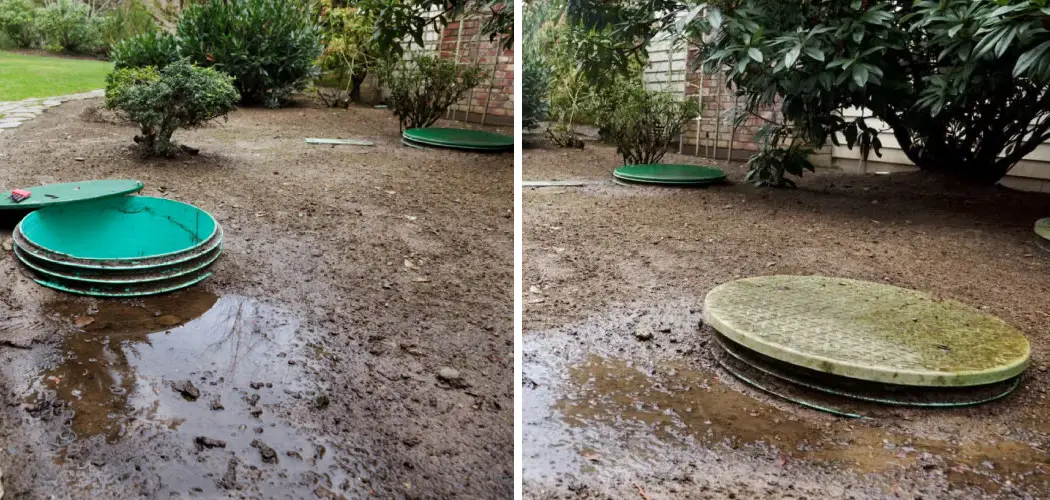
How to Keep Your Septic Tank Odor-Free Even After Heavy Rain
So, you've got a septic system, and you know the drill: heavy rain, potential for unpleasant smells. It's a common problem, and one that can be a bit embarrassing, especially if you're hosting guests or having a gathering. But don't worry, you don't have to live with that funky scent! There are ways to keep your septic system smelling fresh and functioning smoothly, even after a downpour.
Let's dive into the reasons behind the post-rain stench and then explore some practical solutions.
Why Does My Septic Tank Smell After Heavy Rain?
It's all about the water level and the bacteria. Your septic tank is designed to work in a specific way, with a balance of solids and liquids. Here's what happens when the rain comes pouring down:
- More water enters the system: When heavy rain hits your yard, it runs off into your septic system through your drainfield. This extra water dilutes the bacteria in the tank, which are responsible for breaking down waste.
- The bacteria struggle: The diluted bacteria might not be strong enough to handle the increased workload. This can lead to partially broken down waste, which can release those unpleasant odors.
- The tank fills up quickly: With a sudden influx of water, your septic tank might fill up faster than usual, leaving less room for the solids to settle.
- Backflow possibilities: If the drainfield is overwhelmed, water can back up into the tank, potentially causing the solids to rise and creating a smelly situation.
Tips to Keep Your Septic System Odor-Free After Heavy Rain
Here are some tips to help you stay on top of your septic system and keep those funky odors at bay, especially after heavy rain:
Regular Maintenance is Key
Just like any other system in your home, your septic tank needs regular maintenance. This is the most important step to prevent odor issues and ensure your system functions correctly. Here's what you should do:
- Pumping: Get your septic tank pumped every 3-5 years, or as recommended by a professional. Don't wait for it to overflow!
- Inspection: Have a septic inspection done at least once a year. This helps you identify potential issues before they become big problems.
- Drainfield inspection: Make sure the drainfield is clear of debris and functioning properly. If you have any problems, contact a professional.
Be Mindful of What Goes Down the Drain
Your septic system is designed to handle human waste and toilet paper. But that's it! Avoid putting any of the following down your drains, as they can disrupt the delicate balance of your system and cause those nasty smells:
- Fats, oils, and grease: These substances solidify in the pipes and septic tank, creating blockages and odor issues.
- Chemicals and cleaners: Harsh chemicals can kill off the beneficial bacteria in your septic system, making it less effective. Opt for eco-friendly cleaning products whenever possible.
- Cigarette butts and food scraps: These items can contribute to clogging and odor problems.
- Disposable wipes: Even those labeled "flushable" can create clogs and disrupt your system. Use compostable wipes or regular toilet paper instead.
- Excessive paper products: Don't flush large quantities of paper towels or tissues. These can overload your system.
Take Action After a Heavy Rain
When the rain has stopped and the water level has subsided, there are a few things you can do to help your septic system recover and prevent odors:
- Avoid using the washing machine: This will minimize the amount of water entering the system while it's recovering.
- Flush the toilet sparingly: Use the "half flush" option if available, or try to limit toilet use for a few hours.
- Monitor the water level: If you notice the water level in your septic tank is high, consider having it pumped out to prevent any potential overflows.
- Add bacteria: Consider adding a septic tank treatment product containing beneficial bacteria to your system. These bacteria can help break down waste more effectively and prevent odors.
- Call a professional: If you're unsure about anything or if you experience persistent odor issues, don't hesitate to call a professional septic tank technician. They can diagnose any problems and offer solutions.
Preventing Odors in Your Home
Even if your septic system is working flawlessly, you might still notice a faint odor in your house, especially after a rain event. Here are some tips to keep your home smelling fresh:
- Ventilate: Make sure your bathroom and kitchen are well-ventilated. Open windows or use exhaust fans to draw out any lingering odors.
- Deodorize: Place an air freshener or a bowl of baking soda near your toilets or drains to help absorb any unpleasant odors.
- Clean regularly: Clean your bathroom and kitchen surfaces regularly to prevent any mold or mildew growth, which can contribute to odors.
Commonly Asked Questions
Here are some frequently asked questions about septic systems and odors:
How Do I Know If My Septic Tank is Full?
If you see any of these signs, your septic tank might be nearing capacity:
- Slow draining sinks or toilets.
- Gurgling noises in the pipes.
- A wet or soggy area around your septic tank.
- A strong, unpleasant odor.
What Can I Do If I Have a Septic Tank Odor Problem?
If you're experiencing a septic tank odor problem, here are some steps you can take:
- Identify the source: Try to pinpoint the location of the odor. Is it coming from your bathroom, kitchen, or outside near the septic tank?
- Check your drainfield: Make sure the drainfield isn't clogged or damaged. If you notice any issues, call a professional.
- Use a septic tank treatment product: These products can help break down waste and reduce odors.
- Contact a professional: If you can't resolve the odor on your own, call a septic tank professional for an inspection and repair.
Remember, proper septic system maintenance is key to keeping your home smelling fresh and your system working smoothly. By taking these steps, you can reduce your chances of experiencing those unpleasant post-rain odors and enjoy a cleaner, odor-free home.
How to Eliminate Septic Tank Smells Inside Your Home
How to Eliminate Septic Tank Smells Inside Your Home: A Guide to Fresh Air
Ugh, that smell! It creeps in, hangs in the air, and makes your house feel less like a home and more like…well, a septic tank. We've all been there, and let's be honest, it's not exactly a pleasant experience. Don't worry, you're not alone. Septic tank smells are a common problem, and luckily, there are things you can do to get rid of them.
The first step is to understand what's causing the smell. Septic tanks are designed to break down waste, but sometimes, the process goes awry, resulting in unpleasant odors. The good news is that most of the time, it's not a major issue, and with a little effort, you can banish the smell and get back to enjoying your home.
Identifying the Source of the Septic Tank Smell
Before you start tackling the smell, it's important to figure out where it's coming from. Is it coming from the bathroom, the kitchen, or a specific room? This will help you narrow down the potential causes and make your troubleshooting efforts more effective.
Common Causes of Septic Tank Smells
- Dry Septic Tank: This is one of the most common reasons for septic tank smells. When the tank doesn't have enough water, the solids can dry out and release foul odors. Think of it like leaving dirty dishes in the sink for too long â€" they start to smell!
- Overloaded Septic Tank: A septic tank that's full to the brim can't break down waste effectively, leading to backups and smelly consequences. It's like trying to cram too much into a suitcase â€" it just won't work!
- Faulty Drain Field: The drain field is the part of your septic system that filters the water that's been treated by the tank. If it's damaged or clogged, it can't do its job properly, and the untreated water can seep back up into your home.
- Broken or Leaky Pipes: Cracks or leaks in your plumbing can allow sewer gases to escape and find their way into your home. Think of it as a tiny escape hatch for the smell.
- Poor Ventilation: A lack of proper ventilation in your home can trap odors, including septic tank smells. Imagine a stuffy room â€" it's hard to breathe, and the smell just lingers.
How to Eliminate Septic Tank Smells: Solutions for a Fresher Home
Once you've identified the source of the smell, you can start tackling it. Here are some common solutions:
1. Add Water to Your Septic Tank
If your septic tank is too dry, adding water can help rehydrate the solids and reduce the smell. You can do this by simply running water down the drain for a few minutes each day. Think of it like giving your septic tank a drink of water!
2. Avoid Overloading Your Septic Tank
Be mindful of what you flush down the toilet and pour down the drain. Avoid using harsh chemicals, excessive amounts of paper products, and anything that could clog or overload your septic system. Think of your septic tank as a delicate ecosystem that needs to be treated with care.
3. Pump Your Septic Tank Regularly
If you haven't had your septic tank pumped in a while, it's time to call a professional. A regular pumping schedule helps prevent overloading and keeps your system running smoothly. Think of it like taking your car in for a tune-up â€" it keeps everything running smoothly and prevents bigger problems down the road.
4. Inspect Your Drain Field
If you suspect your drain field is damaged or clogged, call a professional plumber. They can inspect the drain field and recommend repairs or replacements. Think of it like getting your septic system's "health check."
5. Repair Leaky Pipes
If you have leaky pipes, get them repaired as soon as possible. This will prevent sewer gases from escaping and entering your home. Think of it like patching a hole in a tire â€" it prevents air from leaking out and keeps your car running smoothly.
6. Improve Ventilation
Ensure your home has proper ventilation, especially in areas where septic tank smells might be more prominent, such as bathrooms and kitchens. Consider installing exhaust fans or opening windows to improve air circulation. Think of it like opening a window to let in fresh air and clear out any stale smells.
7. Natural Deodorizers
You can try using natural deodorizers like baking soda or vinegar to help neutralize unpleasant odors. Sprinkle baking soda down drains and let it sit for a few minutes before flushing it away. For a stronger odor, try boiling a pot of water with vinegar on the stove. Think of it as giving your home a natural air freshener!
8. Enzyme Treatments
Enzyme treatments are available at most hardware stores and can help break down waste in your septic tank, reducing odors. Follow the manufacturer's instructions carefully. Think of enzyme treatments like probiotics for your septic tank â€" they help the good bacteria thrive!
Prevention is Key
Once you've dealt with the immediate smell, it's important to take steps to prevent it from coming back. Here are a few things you can do:
1. Use Your Garbage Disposal Sparingly
Your garbage disposal can add a lot of grease and food waste to your septic system. Try to use it sparingly and dispose of food scraps in the trash instead. Think of it as giving your septic system a break!
2. Avoid Flushing Unnecessary Items
Only flush toilet paper and human waste down the toilet. Avoid flushing things like wipes, feminine hygiene products, or anything else that could clog your system. Think of your toilet like a very specific garbage disposal â€" only certain things belong there.
3. Maintain Your Septic System
Regularly inspect your septic system for any signs of problems. Call a professional if you notice anything unusual. Think of it as giving your septic system a regular checkup â€" it's better to catch problems early than to wait until they become major issues.
Commonly Asked Questions
Here are some common questions people have about septic tank smells:
1. Why does my septic tank smell like sulfur?
A sulfur smell is often a sign of a problem with your septic tank or drain field. This can be caused by a buildup of hydrogen sulfide, which is a gas produced when bacteria break down waste. If you notice this smell, it's important to call a professional to diagnose the issue.
2. How often should I pump my septic tank?
The frequency of septic tank pumping depends on a number of factors, such as the size of your tank, the number of people living in your home, and your water usage. It's generally recommended to have your tank pumped every 3-5 years. However, it's best to consult with a professional to determine the optimal pumping schedule for your specific system.
3. What if I have a septic tank smell that doesn't go away?
If you've tried all the above solutions and you're still dealing with a septic tank smell, it's time to call a professional. There may be a deeper issue with your system that requires expert attention.
Dealing with septic tank smells can be frustrating, but it doesn't have to be a constant battle. By understanding the causes, implementing the right solutions, and practicing preventive measures, you can create a fresher and more enjoyable home environment. Remember, a happy septic system means a happy home!
Top Septic Tank Odor Eliminators That Actually Work
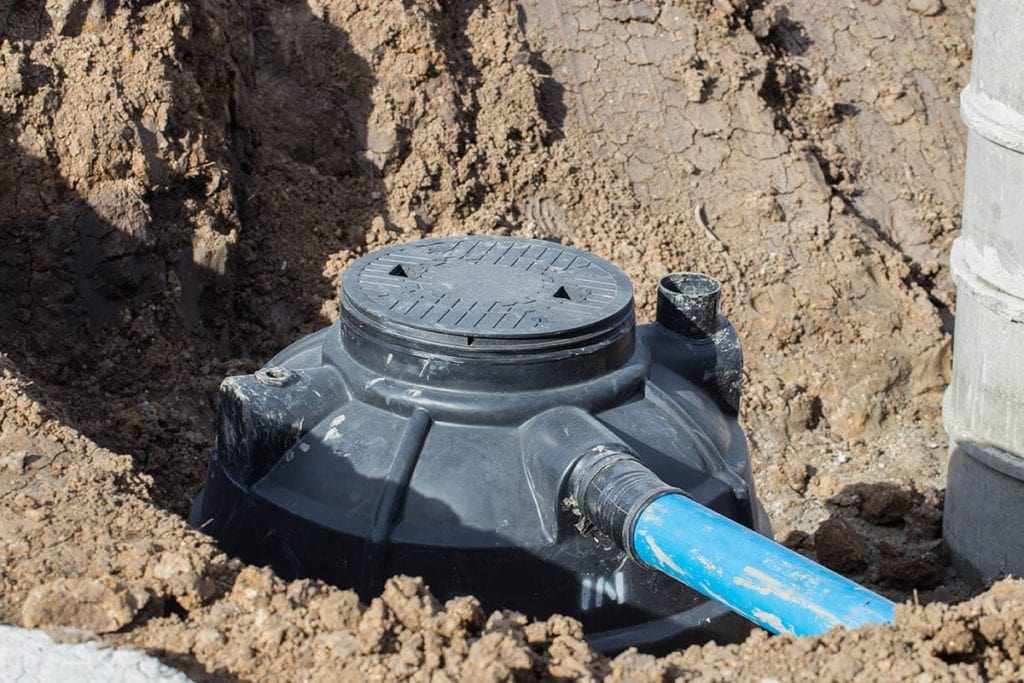
Top Septic Tank Odor Eliminators That Actually Work
The unpleasant aroma emanating from a septic tank can be a source of embarrassment and discomfort. It’s not just the smell; it can also indicate a potential issue with your septic system. While some odors are normal, persistent or strong smells are a sign that your system needs attention. Luckily, there are effective solutions to tackle this problem. This article delves into the top septic tank odor eliminators that actually work, providing you with the knowledge to choose the best option for your specific needs.
Before exploring specific products, it's crucial to understand the root causes of septic tank odors. The main culprits are often:
- Overloading: Too much waste entering the tank can cause it to overflow and create a foul smell.
- Improper maintenance: Neglecting regular pumpings and inspections can lead to a build-up of sludge and scum, fostering odor-producing bacteria.
- Leaks: Cracks or holes in the tank or drainfield can allow the odor to escape.
- Poor ventilation: An inadequate vent system can trap odors within the tank and surrounding areas.
- Biological imbalances: An imbalance in the bacterial population within the tank can lead to the release of unpleasant odors.
Addressing these underlying issues is essential for long-term odor control. However, in the meantime, various odor eliminators can provide temporary relief and mask the unpleasant smell.
Top Odor Eliminators for Septic Tanks
The market offers an array of products designed to eliminate septic tank odors. However, not all of them are equally effective. Here's a breakdown of the top contenders:
1. Biological Treatment Products
These products utilize beneficial bacteria and enzymes to break down waste and reduce odor-causing compounds. They work by enhancing the natural decomposition process within the septic tank, ultimately improving the overall system's efficiency.
Advantages:
- They are environmentally friendly, as they don't contain harsh chemicals.
- They effectively neutralize odors by eliminating the source.
- They can improve the overall health of your septic system.
Disadvantages:
- They may take some time to show results.
- They might not be effective for all types of odors, particularly those caused by leaks or overflows.
Popular Brands:
- Rid-X
- Bio-Clean
- Septic Ease
These products are typically available in liquid or granular form and are added directly to the septic tank. The frequency of application varies depending on the product and the size of your system.
2. Chemical Odor Eliminators
These products use strong fragrances and chemicals to mask or neutralize odors. While they can provide temporary relief, they don't address the root cause of the problem.
Advantages:
- They offer fast-acting odor control.
- They are relatively inexpensive.
Disadvantages:
- They don't eliminate the source of the odor, so the smell may return.
- They can be harmful to the environment and your septic system's beneficial bacteria.
- They may not be effective for strong or persistent odors.
Popular Brands:
- Liquid Plumber Septic Tank Deodorizer
- Oust Septic Tank Odor Eliminator
These products are typically available in liquid form and are poured into the septic tank or toilet bowl. However, it's crucial to follow the manufacturer's instructions carefully to avoid potential harm to your system.
3. Natural Odor Eliminators
These products utilize natural ingredients like baking soda, vinegar, and essential oils to neutralize odors. They are generally safe for the environment and your septic system.
Advantages:
- They are environmentally friendly and non-toxic.
- They are readily available and inexpensive.
Disadvantages:
- They may not be as effective as other methods.
- They may require frequent applications.
Examples:
- Pouring a cup of baking soda down the toilet followed by a cup of vinegar can help neutralize odors.
- Adding a few drops of essential oils like lavender or eucalyptus to a toilet bowl can help mask odors.
While these methods offer natural solutions, they might not be as effective for strong or persistent odors. For more serious cases, professional assistance is recommended.
Factors to Consider When Choosing an Odor Eliminator
Choosing the right septic tank odor eliminator requires considering several factors:
- The severity of the odor: For mild odors, natural or chemical odor eliminators may suffice. However, for strong or persistent odors, biological treatments are often more effective.
- The cause of the odor: If the odor is due to overloading, improper maintenance, or leaks, addressing these underlying issues is crucial. Odor eliminators can provide temporary relief but won't solve the root cause.
- Environmental impact: Consider the environmental impact of the product you choose. Biological treatments are generally considered more environmentally friendly than chemical options.
- Cost: Biological treatments can be more expensive upfront than chemical options, but they offer long-term benefits and may save money in the long run by preventing costly repairs.
Maintenance Tips for Preventing Odors
While odor eliminators can provide temporary relief, proactive maintenance is key to preventing septic tank odors:
- Regular pumping: Schedule regular septic tank pumping, typically every 3-5 years, to remove accumulated sludge and scum.
- Proper waste disposal: Avoid flushing non-biodegradable items down the toilet, such as wipes, paper towels, and feminine hygiene products. These items can clog the system and contribute to odor production.
- Water conservation: Reduce water usage to minimize the amount of waste entering the septic system.
- Inspect and repair leaks: Regularly inspect the tank and drainfield for leaks and have them repaired promptly.
- Proper ventilation: Ensure the vent system is functioning correctly and is not blocked.
Conclusion
Septic tank odors can be a nuisance, but they don't have to be a constant source of frustration. By understanding the root causes of the odors and choosing the right odor eliminator, you can effectively tackle the problem and create a more pleasant environment for your home. Remember that addressing underlying issues and practicing good maintenance habits are crucial for long-term odor control and maintaining a healthy septic system.
How to Handle New Septic Tank Odors Without Chemicals
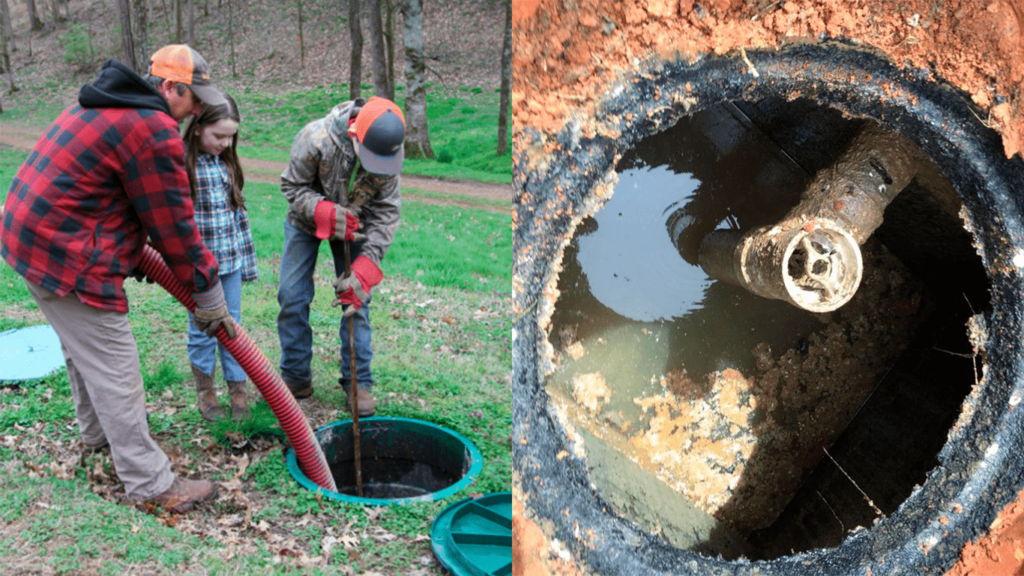
Conquering Septic Tank Odors Without Chemicals
The unmistakable stench of a malfunctioning septic system can turn your home into a place you avoid. Thankfully, there are effective ways to handle those unpleasant odors without resorting to harsh chemicals. These natural solutions can be just as effective and are much safer for your environment and your family.
Understanding the Source of the Odor
Before tackling the odor, it's crucial to identify its source. Septic tank odors often arise from a buildup of gases, particularly hydrogen sulfide, produced by the breakdown of organic waste. These gases can escape through various openings in the system, including vents, drain fields, and even cracks in the tank itself.
Natural Solutions for Eliminating Septic Odors
Boosting Bacterial Activity
A healthy septic system relies on a strong population of beneficial bacteria to break down waste. You can encourage this bacterial activity by adding natural ingredients that feed these microbes. Here are some great options:
- Yeast: Brewers' yeast is an excellent source of nutrients for bacteria. Pour a packet of active dry yeast into your toilet bowl and flush it down. Repeat monthly for optimal results.
- Baking Soda: Baking soda acts as a natural deodorizer and creates an alkaline environment that bacteria thrive in. Pour a cup of baking soda down the toilet every few weeks.
- Vinegar: Vinegar's acidity helps to neutralize odors and balance the pH levels in your septic system. Pour a cup of white vinegar down the toilet monthly.
Maintaining Proper Drainage
A properly functioning septic system is essential for preventing odors. Avoid overloading the system with large amounts of waste at once. Regularly inspect your drain field for any signs of standing water or pooling, which indicate a potential blockage. Also, be mindful of what you flush. Avoid disposing of grease, oil, and other non-biodegradable materials down the drain as these can contribute to clogging and odor problems.
Fresh Air Circulation
Ensure your septic system has adequate ventilation. Make sure vents are unobstructed and free of debris. Proper ventilation allows gases to escape safely, reducing the likelihood of them building up and causing odor issues.
Home Remedies
Simple home remedies can also help to combat septic odors. Try placing bowls of activated charcoal or coffee grounds in areas where the odor is most noticeable. These materials act as natural odor absorbers. Boil water with a pot of citrus peels or strong spices, like cinnamon and cloves, to create a pleasant scent that masks the unpleasant odor.
Professional Assistance
If the odor persists despite your efforts, it's time to seek professional help. A qualified septic service technician can inspect your system for underlying issues, such as a leak, clog, or malfunctioning pump. They can also recommend appropriate solutions and ensure your septic system is functioning optimally.
Preventing Future Odors
Following these tips can help prevent future septic odors:
- Regular Maintenance: Schedule routine septic tank inspections and pump outs every 3-5 years.
- Mindful Waste Disposal: Avoid flushing anything besides human waste and toilet paper.
- Water Conservation: Use water-saving appliances and fixtures to reduce the load on your septic system.
By implementing these natural solutions and practicing good septic maintenance, you can effectively eliminate and prevent unpleasant odors, creating a more comfortable and pleasant living environment for you and your family.
How to Tackle the Septic Smell Problem Inside Your House

The Septic Smell: How to Get Rid of that Awful Odor
Let’s face it: a septic smell in your house is no picnic. It’s not just unpleasant, it’s a sign that something’s not right with your septic system. You might be tempted to just hold your breath and hope for the best, but that’s not going to solve the problem. In this guide, we’ll tackle the septic smell head-on, giving you the tools and knowledge you need to not just mask the odor, but to fix the root cause.Where’s that Smell Coming From?
Before we jump into solutions, let’s understand what causes the smell in the first place. Your septic system is a closed loop, and it’s designed to break down waste without releasing odors. But things can go wrong, and a septic smell in your home usually points to one of these culprits: * **A Full Septic Tank:** When your tank is full, it can’t break down waste effectively, and that’s when those nasty odors start to escape. Imagine your tank as a full garbage can â€" it’s going to smell! * **Clogged Drain Field:** The drain field is where wastewater is filtered and released back into the soil. If it’s clogged, the wastewater can’t drain properly, and that backup leads to smelly problems. * **Leaking Pipes:** Cracks or holes in your plumbing system can allow sewage to leak out, spreading that unpleasant scent. * **Improper Vent System:** Every septic system needs a vent to release gases safely. If the vent is clogged or faulty, those gases can back up into your house.Solutions for a Stinky Situation
Okay, so now you know where the smell might be coming from. Let’s talk about what you can do to get rid of it!1. The Quick Fixes: Masking and Airing Out
First, let’s tackle the immediate issue. While these won’t address the root cause, they can help you feel better quickly:- **Open windows and doors:** Fresh air is your friend! Open windows and doors to circulate the air and get rid of the lingering smell. This might be enough for a temporary fix.
- **Boil water:** This is a common trick for a reason. Boiling water on the stove creates steam that can help neutralize odors.
- **Use baking soda and vinegar:** Baking soda can absorb odors, while vinegar neutralizes them. Sprinkle baking soda in drains and toilets, or mix vinegar with water and pour it down your drains.
- **Use a scented candle or air freshener:** This will only mask the problem temporarily, but it can make your home smell better in the meantime.
2. Get Down to Business: Addressing the Root Cause
The real solution lies in fixing the underlying issue. This could involve:- **Pumping your septic tank:** If your tank is full, you need to have it pumped out by a professional. This is a regular maintenance task, and it’s best to have it done every 2-3 years, or sooner if you notice a smell.
- **Inspecting your drain field:** A clogged drain field can lead to all sorts of problems, including backups and smelly smells. A professional septic inspection can determine if your drain field needs attention.
- **Checking your plumbing for leaks:** A leaky pipe can be a major source of sewer gas. Look for any signs of water damage, and call a plumber to inspect your system.
- **Cleaning your vent system:** If your vent is clogged, it can lead to sewer gas backing up into your home. You can try cleaning the vent yourself, but it’s often best to call a professional.
3. Prevention is Key
Once you’ve addressed the immediate problem, it’s important to focus on prevention.- **Regular maintenance:** Regular septic tank pumping and inspections are key to keeping your system running smoothly and odor-free.
- **Avoid flushing non-biodegradable items:** Things like wipes, paper towels, and even some toilet paper can clog your system and create problems.
- **Limit water usage:** Overloading your system with too much water can lead to backups and odors. Try to limit water usage in your home.
- **Use septic-safe cleaning products:** Traditional cleaning products can be harsh on your septic system. Use septic-safe products to keep your system healthy.
When to Call a Professional
While you can try some DIY fixes for a septic smell, there are times when it’s best to call a professional:- **You’re unsure about the cause of the smell.** A professional can help you diagnose the problem and recommend the best solution.
- **The smell is persistent or getting worse.** A strong, persistent smell is a sign that something serious is wrong with your septic system. Don’t wait; get help!
- **You’re not comfortable with the necessary repairs.** Septic systems can be complex, so it’s best to leave repairs to a qualified professional.
Commonly Asked Questions
Q: How do I know if my septic system is working properly?
Here are a few signs that your septic system is healthy:
- No odors inside or outside your home.
- No gurgling sounds in your drains.
- Your toilet flushes properly without any backup.
- Your grass around the drain field doesn’t seem unusually lush or wet.
Q: What if I have a septic system but my toilet is connected to a city sewer?
That’s a good question! If you’re only connected to the city sewer for your toilet, you can still have a septic system for the rest of your home. You might want to get a professional to check your system to be sure the plumbing is properly routed and that the septic tank is working well for the rest of the house.
Q: How often should I have my septic system inspected?
As a general rule, it’s a good idea to have your septic system inspected at least once every 2-3 years. However, your inspector might recommend more frequent inspections if you have a larger family or if you use your system heavily.
Remember, a septic system is a complex system. If you notice a smell, it’s a good idea to get it checked out by a professional. Prevention and regular maintenance can go a long way in keeping your system working smoothly and keeping those nasty smells away!
How to Clean Your Septic Tank Naturally Using Household Items

Natural Septic Tank Cleaning with Household Items
Maintaining a healthy septic system is crucial for a smooth-running household. While professional septic tank cleaning is recommended every 3-5 years, there are natural methods to supplement regular maintenance and keep your system functioning optimally. This article explores various household remedies that can effectively clean your septic tank naturally, promoting a cleaner and more efficient waste disposal system.
Understanding Septic Tank Function
Before delving into cleaning methods, a basic understanding of septic tank function is essential. A septic system comprises a tank and a leach field. Wastewater from your home flows into the tank, where solids settle to the bottom and liquids are discharged into the leach field. The leach field acts as a natural filter, gradually releasing purified water back into the environment.
The effectiveness of a septic system depends on a delicate balance of bacteria that decompose solid waste. These bacteria are essential for breaking down organic matter, preventing clogs and ensuring proper drainage.
The Importance of Maintaining a Healthy Septic System
A healthy septic system is crucial for several reasons:
- Waste disposal: A properly functioning septic system efficiently manages wastewater, preventing backups and unpleasant odors.
- Environmental protection: By effectively filtering waste, a healthy septic system minimizes pollution and protects surrounding water sources.
- Cost savings: Regular maintenance can help prevent costly repairs and replacements.
- Property value: A well-maintained septic system is a valuable asset, enhancing your property's desirability and resale value.
Natural Septic Tank Cleaning Methods Using Household Items
While professional cleaning is important, incorporating natural cleaning methods into your routine can help maintain a healthy septic system. These methods are often environmentally friendly and can be used on a regular basis:
1. Beneficial Bacteria
Introducing beneficial bacteria to your septic tank is a cornerstone of natural cleaning. These bacteria break down organic waste, reduce odors, and improve overall system performance.
Here are ways to introduce beneficial bacteria:
- Commercial Septic Tank Additives: Look for products specifically designed for septic systems, containing active bacteria strains.
- Yeast: Adding a cup of active dry yeast to your septic tank once a month can introduce beneficial bacteria.
- Compost Tea: Brewing compost tea from aged compost, rich in beneficial microorganisms, and pouring it into the septic tank can introduce a diverse range of bacteria.
2. Baking Soda and Vinegar
This classic household cleaning combination can also work wonders for your septic tank. Baking soda helps to neutralize odors, while vinegar helps to break down grease and fats.
To use this method, pour a cup of baking soda down the drain, followed by a cup of vinegar. Allow the mixture to sit for 30 minutes before flushing with hot water.
3. Epsom Salt
Epsom salt is known for its ability to absorb odors and soften water. Adding a cup of Epsom salt to your septic tank once a month can help control odor and improve water flow.
4. Citrus Peels
Citrus peels are naturally acidic and can help to break down grease and fats. Adding a handful of citrus peels to your septic tank once a week can help to prevent clogs and keep your system flowing smoothly.
5. Coffee Grounds
Used coffee grounds are a natural source of nitrogen, which is an essential nutrient for the beneficial bacteria in your septic system. Adding coffee grounds to your septic tank can help to nourish these bacteria and promote optimal system performance.
Tips for Maintaining a Healthy Septic System
In addition to regular cleaning, there are other practices that can help to keep your septic system healthy and functioning efficiently:
- Minimize Grease and Oil: Avoid pouring grease and oil down the drain. These substances can solidify and cause clogs in the system.
- Reduce Use of Chemicals: Limit the use of harsh chemicals, such as bleach and drain cleaners, which can kill off beneficial bacteria and damage your septic system.
- Avoid Overloading: Don't flush large amounts of toilet paper or other non-biodegradable materials.
- Regular Inspections: Schedule regular inspections by a qualified septic tank professional to identify any potential issues early on.
Caution and Considerations
While natural cleaning methods can be beneficial, it's important to note that they are not a substitute for professional septic tank cleaning. Professional cleaning ensures thorough removal of solid waste and sludge, which can build up over time.
Additionally, before using any cleaning methods, it's essential to:
- Consult your septic tank manufacturer's instructions: Ensure the methods are compatible with your specific system.
- Consider the size and age of your tank: The effectiveness of natural cleaning methods may vary depending on the system's size and age.
- Use caution with chemicals: While some natural cleaning methods are safe, others may require careful use. It's always best to err on the side of caution and avoid harsh chemicals.
Conclusion
Natural cleaning methods can play a significant role in maintaining a healthy septic system. By introducing beneficial bacteria, using natural household items, and following best practices, you can help to keep your septic system functioning efficiently and prolong its lifespan. Remember that these methods are complementary to professional septic tank cleaning. Regular professional maintenance is still essential for optimal performance and longevity of your septic system. By implementing both natural and professional cleaning practices, you can ensure a healthy and efficient waste disposal system for your home.
How to Prevent Septic Tank Smells from Entering Your House

Banishing Septic Tank Odors from Your Home
The unmistakable aroma of a septic tank can be a real nuisance, turning your home into an unpleasant olfactory experience. But fear not, because with the right knowledge and action, you can effectively prevent these odors from invading your living space. This guide provides a comprehensive approach, addressing the root causes and offering practical solutions to keep your home smelling fresh and inviting.
Understanding Septic Tank Odors
The culprit behind these unwelcome smells is hydrogen sulfide gas, produced by bacteria breaking down waste in your septic tank. When these gases escape, they travel through the plumbing system, potentially reaching your home through vents, drains, or even cracks in the foundation. The severity of the odor depends on factors like the tank's capacity, age, and how well it's maintained.
Preventing Septic Tank Smells from Entering Your Home
The key to preventing septic tank odors lies in a multi-pronged approach:
Ensure Proper Septic Tank Maintenance
Regular septic tank maintenance is crucial. Schedule inspections and pumpings as recommended by your local regulations or your septic tank installer. A properly functioning septic system with a healthy balance of bacteria is less likely to generate excessive gases. You can also consider adding beneficial bacteria to your system to aid in waste breakdown.
Check for Plumbing Leaks
Inspect your plumbing system for leaks, particularly around the septic tank, vent pipes, and drain lines. Leaks allow hydrogen sulfide gas to escape and can even lead to the formation of sewer gas, which can pose serious health risks. Repair any leaks promptly to prevent odors and maintain proper system functionality.
Seal and Ventilate Effectively
Ensure that your septic tank vent pipe is properly sealed and extends at least a few feet above the roofline. This prevents backflow of sewer gases into your home. Similarly, inspect and seal any cracks or openings in your foundation, particularly those near the septic system. Additionally, ensure all drains and fixtures are equipped with proper traps, which contain water that seals off the sewer system, preventing odors from rising.
Maintain Proper Water Usage
Limit the amount of wastewater entering your septic system. Avoid flushing non-biodegradable items like wipes, paper towels, and medications down the toilet. These items can clog the system and contribute to odor problems. Furthermore, be mindful of your water usage and avoid overloading the tank. Opt for water-efficient appliances and practice water conservation techniques.
Address Odor Sources
If you detect a strong odor in a particular area, try to identify the source. It might be a clogged drain, a leaky toilet, or even a faulty vent pipe. Once identified, address the issue promptly to eliminate the odor and prevent further problems. A professional plumber can assist with diagnosing and fixing complex plumbing issues.
Additional Tips for Odor Control
- Use a Septic Tank Deodorizer: Consider adding a septic tank deodorizer to help neutralize odors and improve the overall performance of your system. These products are readily available at home improvement stores.
- Maintain a Healthy Lawn: A lush lawn can help absorb some of the gases released by your septic system. Regularly mow and fertilize your lawn to promote healthy growth.
- Use Air Fresheners Strategically: Place air fresheners strategically throughout your home to help mask any lingering odors. Choose scents that are pleasant and not overpowering.
By implementing these preventative measures, you can significantly reduce the risk of unpleasant septic tank odors invading your home. Remember, proper maintenance and vigilance are key to ensuring a fresh and comfortable living environment.
How to Reduce Septic Tank Odor Using DIY Methods
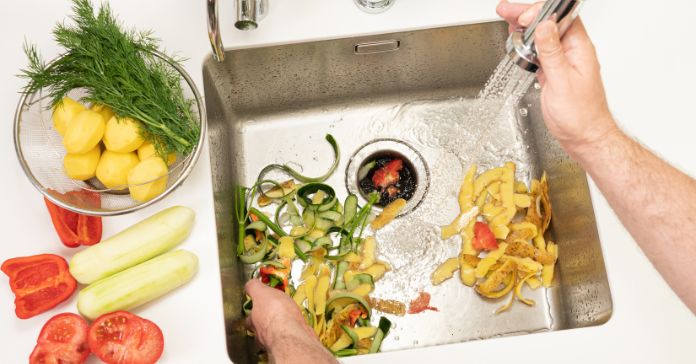
Conquering Septic Tank Odor: DIY Solutions for a Fresh-Smelling Home
The telltale sign of a septic system in distress is often an unpleasant odor lingering around your home. But don't despair! Before you call in the professionals, there are a number of DIY methods you can employ to reduce, and even eliminate, those pesky septic tank smells.
Understanding Septic Tank Odor
Septic tank odors arise from the breakdown of organic waste within the tank. As bacteria work to decompose waste, they release gases like hydrogen sulfide, ammonia, and methane, which can escape into the air and create that familiar, pungent smell.
To tackle the odor, you need to address the root cause: the bacteria and their byproducts. Here are some DIY solutions you can try:
DIY Septic Tank Odor Reduction Techniques
1. Boosting Bacteria: The Power of Microbes
Septic tanks rely on beneficial bacteria to break down waste effectively. Boosting these microbes helps combat odor and prevent future issues.
- Commercial Septic Tank Additives: You can find a variety of products designed to introduce beneficial bacteria to your septic tank. Follow the instructions carefully, as using too much can disrupt the delicate balance within the system.
- Yeast: A natural source of beneficial bacteria, yeast can help accelerate the breakdown of waste. Add a cup or two of active dry yeast to your toilet bowl once a month. It's simple, affordable, and effective.
- Baking Soda: Baking soda helps neutralize odors and provides a source of carbon for beneficial bacteria. Sprinkle a cup of baking soda down your toilet once a week.
2. Preventative Measures: Good Habits for a Healthy System
Regular maintenance and good hygiene practices can go a long way in preventing septic tank odor.
- Avoid Overloading the System: Limit the amount of grease, oil, and food waste that enters the septic tank. These substances can create a layer of sludge that traps odors and slows down decomposition.
- Flush Wisely: Avoid excessive toilet flushing. Dispose of wipes, tissues, and other non-biodegradable items in a trash can.
- Inspect Your System: Regularly check for leaks and ensure that the tank is properly vented. A clogged vent can trap gases and lead to odor buildup.
3. Natural Deodorizers: Aromatic Solutions
Harness the power of natural ingredients to mask odors and create a fresh scent.
- Citrus Peels: Citrus peels are naturally antibacterial and can help absorb odors. Place lemon, orange, or grapefruit peels down your toilet bowl or drain.
- Vinegar: The acidity of vinegar helps neutralize odors and can kill bacteria. Pour a cup of vinegar down your toilet bowl or drain once a week.
- Essential Oils: Add a few drops of your favorite essential oil to a spray bottle filled with water. Spray the mixture around your bathroom or any areas where you notice a septic odor. Popular choices include tea tree oil, eucalyptus oil, and lavender oil.
When to Call a Professional
While these DIY methods can effectively reduce septic tank odor, sometimes a professional is necessary. If you notice a strong, persistent odor, especially accompanied by other signs like slow draining or gurgling sounds, it's best to call a qualified plumber.
Remember, a healthy septic system is essential for a comfortable and odor-free home. By understanding the causes of septic tank odor and applying these DIY solutions, you can reclaim your home's fresh air and enjoy a cleaner, more pleasant living environment.
How to Maintain and Clean Your Septic Tank Without Professional Pumping

How to Maintain and Clean Your Septic Tank Without Professional Pumping
Alright, so you’ve got a septic system. It’s a pretty common thing, especially if you live in a rural area or have a large family. But let’s be honest, nobody really wants to talk about their septic tank, right? It’s like that weird uncle you only see at holidays. But you can't just ignore it. Keeping your septic system healthy is essential for your home, and you don't have to call a professional every time. So, let’s dive in and talk about how to keep your septic tank happy and running smoothly without calling in the big guns.
Understanding Your Septic System: The Basics
Before we get into the nitty-gritty of maintenance, let's quickly break down how a septic system works. Think of it like a mini-water treatment plant in your backyard. It’s a system that collects and treats wastewater from your house.
- Wastewater from your house flows into the septic tank - Think of the septic tank as the first stage of the process. Wastewater from your toilet, sinks, and showers flows in. The solid waste settles to the bottom, creating a layer of sludge, while lighter stuff like grease and oil float to the top, forming a scum layer.
- The wastewater gets partially treated - The septic tank is basically a big holding tank where bacteria break down some of the waste over time. The clearer water then flows into the drain field.
- The drain field filters the remaining wastewater - This is like a series of underground trenches filled with gravel or other porous materials. The water slowly seeps through, getting further cleaned by bacteria and the surrounding soil.
Maintenance: Keeping Your Septic System in Tip-Top Shape
You can’t just forget about your septic system. It’s like having a pet, but instead of feeding it kibble, you need to give it the right ‘diet.’ Here are some key things you can do to keep your septic system happy:
1. Avoid Septic Tank No-Nos
Think of your septic tank as a delicate ecosystem. It’s home to a whole bunch of bacteria that do the hard work of breaking down waste. But there are certain things you need to avoid to keep those bacteria healthy and happy:
- Don't flush anything other than toilet paper and human waste. Forget about those flushable wipes - they're not actually flushable! They can clog your system. Same goes for anything else that doesn't break down easily, like paper towels, feminine hygiene products, and cotton balls.
- Don’t pour grease, oil, or other fats down the drain. These substances solidify and form a thick layer on the surface of your septic tank, blocking the flow of wastewater. Think of it like a clogged artery - not good.
- Don't dump chemicals or harsh cleaners down the drain. These can harm the bacteria in your septic system and disrupt the whole process.
- Avoid excessive use of laundry detergent. A lot of detergents contain chemicals that can kill off the bacteria in your septic system. Try to find a low-phosphate or septic-safe option.
- Don't let your toilet overflow. If your toilet overflows, the excess water can get into the septic tank and overwhelm the system.
2. Regular Inspections: Keep a Close Eye on the Situation
Like a doctor’s visit, it’s a good idea to have your septic system inspected regularly by a professional. They’ll be able to tell if your system is functioning properly and if there are any potential issues.
Even if you can't afford a professional inspection every year, there are some things you can do to keep a close eye on your septic system:
- Check the drain field for any signs of water pooling or flooding. If you see water pooling around the drain field, it could mean that the system is overloaded or that there’s a problem with the drain field itself.
- Look for any signs of unusual smells around your home or in the yard. A strong odor of sewage could indicate a problem with your septic system.
- Monitor your toilet and drains for slow flushing or clogging. These could be signs of a buildup of sludge or solids in the tank.
3. Invest in a Septic Tank Additives: A Little Help From Your Friends
Think of septic tank additives as vitamins for your septic system. They contain enzymes and bacteria that help break down waste and keep the tank clean. You can add these directly to the tank and they can work to help keep your septic tank happy and running smoothly.
These additives are available in a variety of forms - liquid, tablets, or powder. Read the directions carefully before adding them to your tank. It’s not a good idea to use additives that are not specifically formulated for septic systems. Just like you wouldn’t feed your dog human food, you wouldn’t want to throw random stuff into your septic tank.
Keeping Your System Clean: What NOT to Do
Ok, so you can’t just ignore your septic system. But you can't go overboard either. Sometimes, less is more. Here’s what to avoid doing:
- Don’t try to pump the tank yourself. It’s not as easy as it seems. And you could actually do more harm than good. It’s best to leave this job to the professionals.
- Don’t add anything to the tank that’s not designed for septic systems. This includes bleach, cleaners, paint thinners, and other harmful chemicals.
- Don’t forget to check your septic system regularly. Even if you’re not a professional, you can do some basic checks to make sure everything is running smoothly.
When You Should Call a Professional: Know When to Ask for Help
Even if you're a DIY enthusiast, there are times when you need to call in the professionals. Here are some signs that your septic system needs a little professional love:
- The drain field is flooded or water is pooling. This could mean that the drain field is clogged or that the tank is full.
- There's a strong sewage smell coming from your house or the yard. This could be a sign of a leak in the system.
- Your toilet is slow to flush or your drains are clogging. This could indicate a buildup of sludge in the septic tank.
- The septic tank is more than 10 years old. A professional inspection can help you catch any potential problems before they become bigger issues.
Just remember, the key to a happy septic system is regular maintenance. Think of it like your car. If you don’t take care of it, it will eventually break down. So, be proactive and keep your system clean, and you’ll avoid a lot of headaches in the long run.
How to Prevent Septic Tank Smells from Spreading with Odor Eliminators

How to Prevent Septic Tank Smells from Spreading with Odor Eliminators
No one wants to be greeted by a pungent odor emanating from their septic system. While a properly functioning septic system should not produce noticeable smells, various factors can contribute to odor problems. Fortunately, septic tank odor eliminators can be your savior in the fight against unpleasant aromas. These products, designed to neutralize and eliminate foul smells, offer a safe and effective solution to ensure a fresh and odor-free environment.
Understanding Septic Tank Odors
Septic tank odors arise due to the breakdown of organic waste by bacteria in the tank. This process releases hydrogen sulfide, a colorless gas responsible for that rotten egg smell. The gas escapes through vents or cracks in the system, making its way into your home or yard. Other factors contributing to septic tank odors include:
- Overloading the tank.
- Poor ventilation.
- Leaky pipes or connections.
- Improper maintenance.
How Odor Eliminators Work
Septic tank odor eliminators work by employing various mechanisms to tackle the problem at its source. Some common methods include:
Enzyme-Based Products
These products contain enzymes that break down organic waste, reducing the amount of hydrogen sulfide produced. By speeding up the decomposition process, enzymes help to minimize the source of the odor.
Odor Neutralizers
Odor neutralizers use fragrances and chemicals to mask or neutralize the foul smell. They don't address the root cause of the odor but effectively cover it up, providing temporary relief.
Bacteria-Based Products
These products introduce beneficial bacteria to the septic tank, promoting a healthier and more efficient breakdown of waste. The increased bacterial activity helps to reduce hydrogen sulfide production, leading to fewer odors.
Choosing the Right Odor Eliminator
Selecting the best odor eliminator for your septic system depends on your specific needs and the severity of the odor problem. Consider factors such as:
- Type of odor eliminator: Choose between enzyme-based, odor neutralizers, or bacteria-based products based on your preference and the underlying cause of the odor.
- Frequency of use: Some products require regular application, while others offer long-lasting results.
- Cost: Odor eliminators vary in price, so factor in your budget when making a choice.
- Environmental impact: Opt for products that are safe for your septic system and the environment.
Using Odor Eliminators Effectively
To maximize the effectiveness of septic tank odor eliminators, follow these tips:
- Read and follow the manufacturer's instructions carefully. Each product has specific application guidelines and safety precautions.
- Apply the product regularly. Most odor eliminators require periodic application for optimal results.
- Address any underlying problems. If the odor persists despite using an odor eliminator, consider having your septic system inspected for any potential issues.
- Maintain proper septic system care. Regular maintenance, such as pumping the tank every 3-5 years, helps to prevent odor problems and ensures a healthy septic system.
By understanding how odor eliminators work, choosing the right product, and using them correctly, you can effectively prevent septic tank smells from permeating your home and yard. Remember, a clean and odor-free environment is a healthier and more pleasant place to be!
How to Fix Septic Tank Odor Problems in the Bathroom
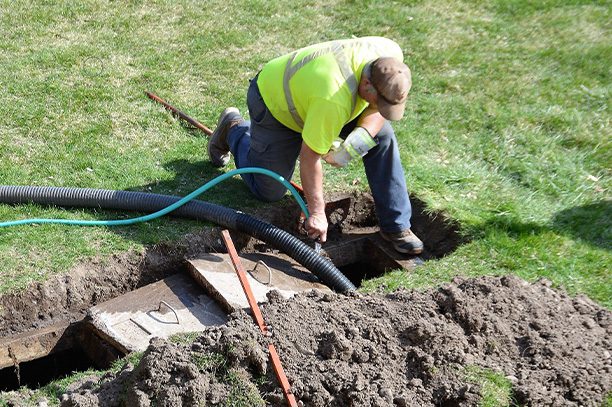
How to Fix Septic Tank Odor Problems in the Bathroom
Ugh, that smell! You know the one. It's that unmistakable, pungent, sewer-like aroma that wafts up from your bathroom drain and fills the air with an unpleasant reminder that your septic system might be acting up. It's not exactly a comforting thought, is it? But fear not, my friend. While a bathroom with a septic tank odor can be a real pain, there are steps you can take to banish the stench and restore your bathroom to its odor-free glory.
Pinpointing the Source of the Odor
Before we start throwing chemicals and deodorizers around, it's important to identify the source of the odor. Sometimes, it's not your septic tank at all, but rather a simple plumbing problem. Here are some common culprits:
Dry P-Trap
Your P-trap is that curved pipe under your sink, tub, or shower. It acts like a small pool of water that prevents sewer gases from entering your bathroom. If the water in the P-trap evaporates, those gases can easily escape.
Solution: Simply pour a cup of water down the drain to replenish the P-trap and seal the opening.
Clogged Drain
A clogged drain can trap wastewater, leading to bacteria growth and those unpleasant odors. Hair, soap scum, and other debris can easily build up and cause a blockage.
Solution: Try a plunger or a drain snake to clear the clog. If the clog persists, you may need to call a plumber for professional assistance.
Vents and Pipes
Your bathroom's plumbing system is connected to vents that allow air to escape, preventing pressure buildup and odor problems. If these vents become blocked, the sewer gases can find their way into your bathroom.
Solution: Check the vents for any blockages, such as leaves, debris, or animal nests. Clear the blockage and ensure the vent is functioning properly.
Addressing Septic Tank Odor Issues
Once you've ruled out any simple plumbing problems, it's time to focus on your septic tank itself. Here's what you can do:
Maintenance Matters: Pumping Your Tank
Think of your septic tank as a hardworking little machine that needs regular checkups and maintenance. One of the most important things you can do to prevent odors is to have your tank pumped regularly. The frequency depends on your tank size and usage, but a general guideline is every 3-5 years. A full tank can't properly break down waste, leading to backups and foul odors.
Solution: Contact a licensed septic tank service to schedule a professional pumping.
Boosting Bacteria Power
Your septic tank relies on beneficial bacteria to break down waste effectively. If the bacteria population is low, the waste won't decompose properly, leading to odors.
Solution: Consider adding septic tank bacteria supplements to your system. These products are available at most hardware stores and contain live bacteria strains that help enhance the decomposition process.
Beware of Harsh Chemicals
You might be tempted to pour harsh chemicals down your drains to combat the odor, but resist! Strong chemicals can actually kill the beneficial bacteria in your septic tank, hindering its ability to break down waste and potentially causing more problems.
Solution: Instead of harsh chemicals, try natural odor eliminators like baking soda, vinegar, or citrus peels. These can help absorb odors and freshen the air.
Additional Tips for Odor Control
Here are some extra tips to keep your bathroom smelling fresh and clean:
When to Call a Professional
If you've tried all the above tips and you're still experiencing stubborn odors, it's time to call in the professionals. A licensed plumber or septic service can assess your situation and provide solutions. They may recommend things like:
Preventing Future Odor Problems
The best way to deal with septic tank odors is to prevent them in the first place. Here are some things you can do:
By following these tips, you can banish those pesky septic tank odors and restore your bathroom to its fresh, clean state. And remember, if you're ever unsure about something, don't hesitate to consult with a professional. Your nose (and your wallet) will thank you for it!
How to Stop Septic Tank Smell from Taking Over Your House

How to Stop Septic Tank Smell from Taking Over Your House
Ugh, that smell. You know the one. It's that earthy, sewage-like odor that seems to linger in the air, even after you've cleaned. It's the unmistakable sign of a septic tank problem, and it's enough to make anyone want to run for the hills. But before you start packing your bags, let's tackle this smelly situation head-on.
Don't worry, you're not alone. Septic tank odor can be a real nuisance, but it's often a sign of a simple issue that can be fixed with a little know-how and some effort. In this guide, we'll dive into the reasons why your house might be smelling like a sewer and outline practical solutions to banish the stench for good.
Understanding the Source of the Problem
The first step to solving any problem is understanding its root cause. So, let's break down why your septic tank might be releasing its pungent aroma into your home:
1. A Full Septic Tank:
Think of your septic tank like a garbage disposal for your home's wastewater. Just like a garbage can, it can only hold so much before it starts overflowing. When the tank is full, the solids can't decompose properly, leading to gases that escape through vents and pipes, ultimately finding their way into your house. The smell is basically a warning sign that your tank needs attention!
2. Leaky Pipes:
If your pipes are cracked, broken, or improperly sealed, sewage can seep out and create that unwelcome odor. This can happen anywhere from your toilet to the drain lines running to your septic tank. These leaks can be tricky to spot, so a professional plumber might be needed to identify and fix them.
3. A Clogged Drain Field:
The drain field is the part of your septic system that filters the wastewater. When this field gets clogged with debris, it can prevent the proper flow of water, forcing it to back up and release those unpleasant smells. This can happen due to tree roots growing into the field, excessive use of harsh chemicals, or simply the natural aging process.
4. Vent Problems:
Your septic system has vents that allow gases to escape. These vents are crucial to prevent pressure buildup and odor problems. If the vents are blocked, the gases will have nowhere to go except back into your house. Common culprits for blocked vents include bird nests, debris buildup, or even ice during cold weather.
5. The "Dry P-Trap" Phenomenon:
The "P-trap" is a curved section of pipe found under your sinks and toilets. It creates a water seal that prevents sewer gases from entering your home. If the water in your P-trap evaporates (which can happen if you don't use the fixture for a while), the seal is broken, and odors can sneak in. This is a common problem with infrequently used guest bathrooms or toilets.
Getting Rid of Septic Tank Smell: A Step-by-Step Guide
Now that you know the possible culprits, let's tackle those smelly problems head-on. Here's a step-by-step guide to help you banish the odor:
1. The "Quick Fix": Temporary Solutions for Immediate Relief
For a quick fix, try these methods:
- Run Water: Flush your toilets, run your sinks, and shower for a few minutes. This can help to replenish the water in the P-traps and prevent odor from entering your home.
- Open Windows: Let in some fresh air to help ventilate the house and dissipate the odor.
- Use Baking Soda and Vinegar: Pour a cup of baking soda down your drains, followed by a cup of vinegar. Let it fizz for a few minutes, then flush with hot water. This can help to neutralize odors and break down clogs.
2. Identify and Address the Specific Cause
To effectively eliminate the smell, you need to address the root cause. Here's a checklist:
- Inspect Your Septic Tank: If your tank is full, it's time for a pumping. You can contact a professional septic service to have your tank emptied and inspected.
- Check for Leaks: Look for signs of leaks, such as damp spots, cracks in pipes, or water pooling around your septic tank. If you suspect a leak, it's best to call a plumber to assess and repair the problem.
- Evaluate Your Drain Field: If you suspect a clogged drain field, it's best to have it inspected by a professional. They can assess the situation and determine the best course of action, which may include cleaning, repairing, or replacing the field.
- Inspect and Clean Vents: Ensure that your septic vents are clear and unobstructed. Remove any debris or nests.
- Fix P-Trap Issues: Pour a pot of boiling water down any drains that haven't been used recently to ensure the water in the P-trap is replenished and sealed.
3. Preventative Measures: Keep the Smell Away for Good
Once you've addressed the root cause, here are some preventative measures to keep the odor at bay:
- Schedule Regular Pumpings: Have your septic tank pumped every 3-5 years, or more frequently if you have a large family or use a lot of water.
- Avoid Harsh Chemicals: Don't pour bleach, paint thinners, or other harsh chemicals down your drains. These chemicals can damage your septic system and make it less effective.
- Conserve Water: Reduce water usage by fixing leaks, taking shorter showers, and using water-saving appliances. This helps to prevent your septic tank from filling up too quickly.
- Plant Trees Away from Your Drain Field: Tree roots can grow into the drain field and cause clogs. Plant trees a safe distance away from your septic system.
When to Call a Professional
While many septic tank problems can be tackled with DIY solutions, some situations require the expertise of a professional:
- Severe Odors: If the odor is persistent and overwhelming, even after trying the quick fixes, it's time to call a plumber. This could indicate a serious issue that needs professional attention.
- Water Backups: If your drains are backing up, it's a clear sign of a problem with your septic system. Contact a professional plumber immediately to prevent further damage.
- Septic Tank Failure: If your septic system is not functioning properly, it's essential to get professional assistance. A qualified technician can assess the situation and recommend the appropriate solution.
Conclusion
Dealing with a smelly septic tank is not fun, but it's a common issue that can be resolved with the right approach. By understanding the root cause and taking the necessary steps, you can banish those odors and keep your home smelling fresh. Remember, prevention is key. Schedule regular septic tank maintenance, avoid harsh chemicals, and conserve water to keep your system healthy and odor-free.